
Most property owners assume all outdoor surfaces carry roughly the same liability exposure. They don't. The material under your residents' feet directly affects how rubber paving reduces liability risk, what your insurance premiums look like, and whether a slip-and-fall lawsuit ends up in your lap. Concrete cracks. Asphalt spalls in heat. Both create trip hazards that invite claims. Rubber paving takes a fundamentally different approach, and the safety and financial case for it is stronger than most property managers realize.
Table of Contents
- Key takeaways
- How rubber paving reduces liability risk through built-in safety features
- Durability and maintenance advantages that support liability reduction
- Compliance, insurance, and legal considerations
- Practical steps to implement rubber paving effectively
- Rubber paving vs. traditional surfaces: the full picture
- My perspective on paving and liability management
- See how Ecotecrubber can protect your property
- FAQ
Key takeaways
| Point | Details |
|---|---|
| Rubber absorbs impact | Shock-absorbing surfaces reduce injury severity from falls, directly lowering claim frequency. |
| Slip resistance holds in wet conditions | Rubber maintains traction when wet or icy, unlike concrete and asphalt. |
| Durability cuts repair urgency | Rubber resists cracking and potholes, reducing the hazardous conditions that trigger liability. |
| Documentation protects you legally | Pairing rubber paving with reserve studies and maintenance records reduces litigation exposure. |
| Upfront cost pays off long-term | Higher installation costs are offset by fewer repairs, lower insurance risk, and reduced legal exposure. |
How rubber paving reduces liability risk through built-in safety features
The surface material you choose is not a cosmetic decision. It is a risk management decision. Rubber paving carries several physical properties that directly reduce the frequency and severity of accidents on your property.
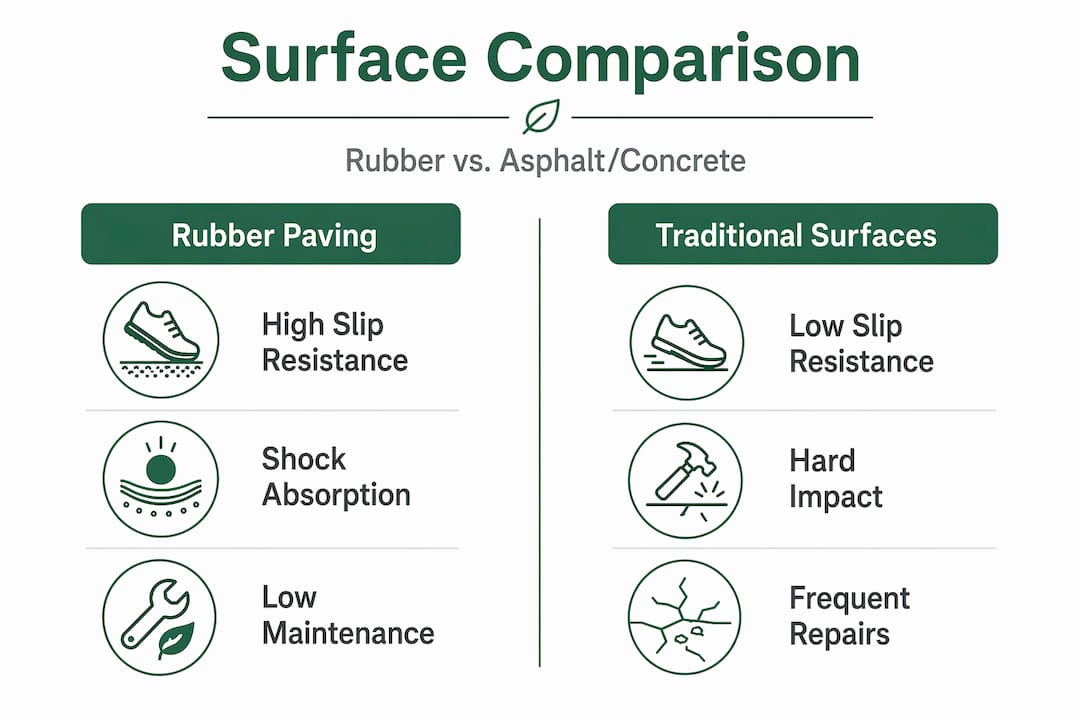
The most significant is shock absorption. Rubber's impact-dispersing properties protect joints and soften landings during falls, reducing the likelihood that a stumble becomes a serious injury claim. On concrete, the same fall produces far more force on the body. That difference matters enormously when an injury attorney is calculating damages.
Slip resistance is the second major factor. Rubber paving maintains strong grip even when wet, snowy, or icy, outperforming both asphalt and concrete in traction. Florida property managers deal with afternoon thunderstorms almost daily from June through September. A surface that stays grippy in those conditions is not a luxury. It is a liability shield.
Then there is the crack and trip-hazard problem. Asphalt and concrete both develop surface failures over time, and those failures create the raised edges and uneven surfaces that cause pedestrian falls. Rubberized asphalt stays flexible under high heat and heavy traffic, resisting the UV damage and cracking that standard asphalt develops within a few years in warm climates.
| Feature | Rubber paving | Asphalt | Concrete |
|---|---|---|---|
| Slip resistance (wet) | High | Low to moderate | Low |
| Shock absorption | High | None | None |
| Crack resistance | High | Low in heat | Moderate |
| Trip hazard risk | Low | High over time | High over time |
| ADA compliance ease | High | Moderate | Moderate |
Pro Tip: When evaluating rubber paving for your property, ask your installer for the surface's coefficient of friction rating. Any value above 0.6 meets ADA wet-surface standards, and rubber typically exceeds this threshold.
Durability and maintenance advantages that support liability reduction
Here is where rubber paving's financial case gets specific. Poured-in-place rubber surfacing costs between $8 and $20 per square foot installed, which is higher upfront than standard asphalt. But that number only tells part of the story.
Asphalt in a Florida climate typically needs crack sealing within two to three years and resurfacing within seven to ten. Each repair cycle costs money, but more critically, each degradation cycle creates a window of elevated liability exposure. A pothole that forms on a Friday afternoon and goes unrepaired over the weekend is a lawsuit waiting to happen.
Rubber paving changes that cycle entirely. Rubber resists cracks, potholes, and surface damage better than traditional surfaces, which means fewer urgent repair situations and more predictable maintenance schedules. For HOA boards and property managers, predictable maintenance is not just convenient. It directly supports reserve fund planning and reduces the risk of special assessments that create legal friction with residents.
Here is a practical way to think about the long-term cost comparison:
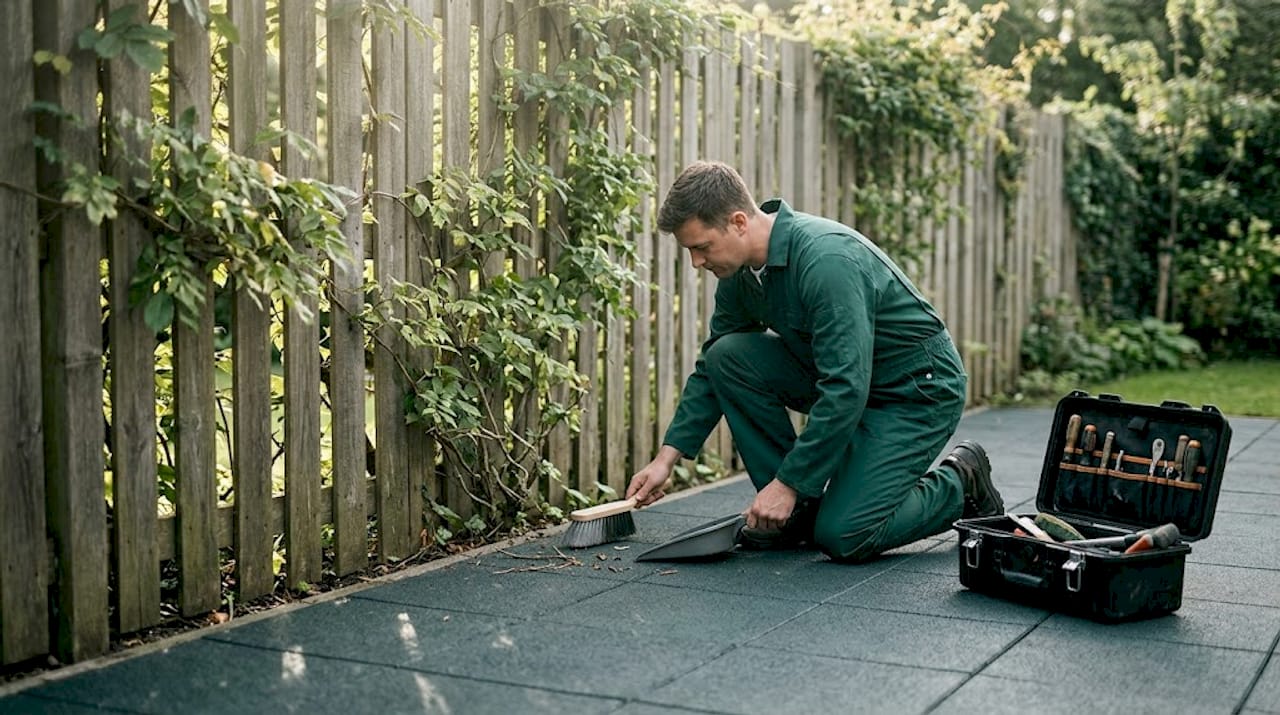
- Year 1 to 3: Rubber paving requires only routine cleaning. Asphalt begins showing surface oxidation and minor cracking.
- Year 4 to 6: Asphalt needs crack sealing and possibly patching. Rubber remains structurally sound.
- Year 7 to 10: Asphalt typically requires resurfacing. Rubber paving retains performance with minimal intervention.
- Year 10 and beyond: Rubber paving's total cost of ownership often matches or beats asphalt when repair and liability costs are included.
Professional installation quality determines how well those timelines hold. Base preparation and elevation transitions affect long-term performance more than surface color or texture. Cutting corners on site prep is the most common reason rubber paving underperforms.
Pro Tip: Before signing any installation contract, ask specifically how the contractor handles existing cracks in the substrate. Rubber poured over untreated cracks will eventually reflect those cracks to the surface, recreating the trip hazard you paid to eliminate.
Compliance, insurance, and legal considerations
Choosing rubber paving is one piece of a broader risk management strategy. The legal and insurance picture around outdoor surfaces is more nuanced than most property managers appreciate.
From an insurance standpoint, documented proactive maintenance is one of the strongest defenses against premises liability claims. When a plaintiff argues that a property owner knew or should have known about a hazardous surface condition, your maintenance records and material choices become evidence. A property that installed ADA-compliant rubber surfacing and maintains documented inspection logs is in a fundamentally stronger legal position than one that patched asphalt reactively.
Reserve studies and proper pavement funding are equally critical. Legal experts note that HOAs with poor reserve funding and maintenance transparency create documented liability records that plaintiffs' attorneys can exploit. Proactive pavement funding, paired with a durable surface material that reduces repair frequency, closes that vulnerability.
Consider what rubber paving does for your compliance posture specifically:
- ADA surface requirements mandate slip-resistant, stable, and firm walking surfaces. Rubber paving meets all three criteria when properly installed.
- ASTM F1292 and ASTM F355 standards govern impact attenuation for playground surfaces. Poured-in-place rubber meets these standards, which matters for HOA common areas with play equipment.
- Drainage requirements in many Florida municipalities favor permeable or well-draining surfaces. Rubber paving's drainage performance helps meet those standards without additional infrastructure.
- Insurance carriers increasingly recognize rubber surfacing as a risk-reducing material choice. Some carriers offer premium credits for documented safety surface upgrades.
"The question isn't whether your pavement will eventually fail. It's whether you've taken reasonable steps to prevent harm when it does. Material choice and maintenance documentation are the two things that determine that answer in court."
Practical steps to implement rubber paving effectively
Knowing rubber paving reduces liability risk is useful. Knowing how to implement it correctly is what actually protects you. Here is a practical sequence that property managers can follow:
-
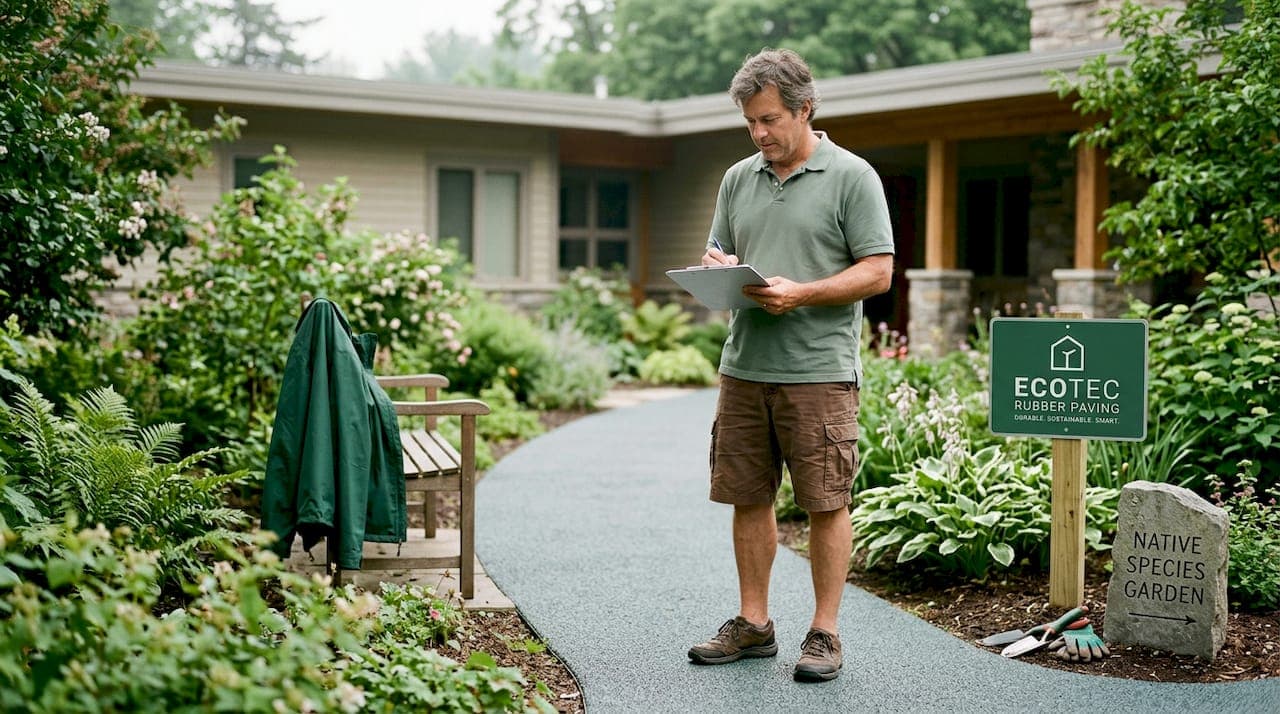
Assess your current surface condition. Walk every paved area and document cracks, spalling, drainage problems, and uneven transitions. This baseline assessment tells you where liability exposure is highest right now and helps prioritize which areas to address first.
-
Choose the right rubber paving type for each zone. Poured-in-place rubber works best for playgrounds and pool decks where impact attenuation is the priority. Rubber tiles suit areas where future access to utilities may require surface removal. Rubberized asphalt is the right choice for driveways, parking areas, and pathways where traffic load is higher.
-
Require professional installation with documented base prep. Site-specific preparation, including crack treatment and proper substrate leveling, is what separates a surface that lasts 15 years from one that fails in three. Only work with licensed, insured contractors who specialize in rubber surfacing.
-
Establish a routine inspection schedule. Even the most durable rubber surface benefits from quarterly visual inspections. Document each inspection with photos and a written log. This documentation is your legal protection if a claim is ever filed.
-
Integrate surface replacement into your reserve fund. Rubber paving's longer service life makes reserve planning more straightforward. Work with your reserve study provider to update replacement timelines based on rubber's actual performance data rather than defaulting to asphalt assumptions.
Pro Tip: When planning a rubber paving project for an HOA or multi-unit property, phase the installation by risk zone rather than by convenience. Start with the areas where a fall is most likely to result in a serious injury claim, such as pool decks, playground surrounds, and main pedestrian pathways.
Rubber paving vs. traditional surfaces: the full picture
Property managers sometimes push back on rubber paving because the upfront cost is visible and the liability savings are not. That framing is worth examining directly.
| Factor | Rubber paving | Asphalt | Concrete |
|---|---|---|---|
| Upfront cost | Higher ($8–$20/sq ft) | Lower | Moderate to high |
| Maintenance frequency | Low | High in warm climates | Moderate |
| Slip and fall risk | Low | Moderate to high | Moderate to high |
| Lifespan | 10–20 years with care | 7–10 years typical | 20–30 years but cracks |
| ADA compliance | Easier to achieve | Requires added treatment | Requires added treatment |
| Sustainability | High (recycled materials) | Low | Low |
Recycled crumb rubber in asphalt also addresses landfill waste from used tires while improving pavement performance. For HOAs with sustainability commitments or green certification goals, that is a meaningful added benefit.
The properties that benefit most from rubber paving are those with high pedestrian traffic, aging surfaces, documented slip-and-fall history, or significant common areas like pool decks, playgrounds, and walking paths. Properties in warm climates with intense UV exposure and frequent rain, such as most of Florida, see the durability advantages compound faster than in temperate climates.
Rubber paving is not the right choice in every situation. Very high vehicle load areas, such as commercial truck routes, may require different solutions. And rubber paving installed over a poorly prepared base will underperform any surface. The material is only as good as the installation behind it.
My perspective on paving and liability management
I've watched property managers make the same mistake for years. They treat paving as a capital expense to defer rather than a liability variable to manage. The conversation usually goes: "We'll resurface when it gets bad enough." That logic sounds financially conservative, but it is actually the most expensive approach you can take.
What I've learned from observing long-term outcomes is that the properties with the lowest liability claim rates are not the ones with the newest surfaces. They are the ones with the most consistent maintenance documentation and the most durable materials. Rubber paving fits that profile better than any traditional alternative I've seen evaluated.
The misconception I hear most often is that rubber paving is only for playgrounds. That framing undersells it significantly. Pool decks, walkways, parking lot pedestrian zones, and HOA common areas all benefit from the same slip resistance and shock absorption that makes rubber the standard for playground safety.
My honest advice: stop evaluating rubber paving against the cost of asphalt alone. Evaluate it against the cost of asphalt plus one premises liability claim. That math changes the conversation entirely.
— Gm
See how Ecotecrubber can protect your property
If you manage a property in Florida and outdoor surface liability is a real concern, Ecotecrubber has built its entire practice around solving exactly this problem.
Ecotecrubber specializes in professional Rubberway® installations designed for Florida's climate, where heat, UV exposure, and daily rain cycles destroy traditional asphalt faster than anywhere else in the country. Their team handles everything from site assessment and base preparation to ADA compliance verification, using recycled materials that meet both safety standards and sustainability goals. Every project is completed by licensed, insured professionals who focus exclusively on rubber paving, not general contractors treating rubber as a side job.
If you want a surface that holds up, keeps residents safe, and gives you documented proof of proactive risk management, explore Ecotecrubber's rubber paving products or contact their team for a property evaluation.
FAQ
How does rubber paving reduce slip-and-fall liability?
Rubber paving maintains high traction even when wet, reducing pedestrian falls compared to concrete and asphalt. Its shock-absorbing properties also reduce injury severity when falls do occur, which directly limits claim damages.
Is rubber paving ADA compliant?
Yes. Properly installed rubber paving meets ADA requirements for stable, firm, and slip-resistant walking surfaces. Poured-in-place rubber also meets ASTM impact attenuation standards for playground applications.
How does rubber paving reduce HOA repair costs?
Rubber paving resists cracking, potholes, and surface degradation better than asphalt, reducing the frequency of urgent repairs. Fewer repairs mean lower maintenance spending and fewer hazardous surface conditions that trigger liability claims.
What is the lifespan of rubber paving compared to asphalt?
Rubber paving typically lasts 10 to 20 years with routine maintenance, while standard asphalt in warm climates often requires resurfacing within 7 to 10 years. The longer service life supports more predictable reserve fund planning for HOAs.
Does rubber paving help with insurance premiums?
Some insurance carriers recognize rubber surfacing as a proactive risk management measure and may offer premium credits. Pairing rubber paving with documented inspection logs strengthens your defense against premises liability claims and demonstrates reasonable care to insurers.