

Paving material recycled content percentage is the proportion of a pavement product's total composition made up of reused or reclaimed materials, most commonly Reclaimed Asphalt Pavement (RAP), recycled concrete aggregate (RCA), or post-consumer plastics. This metric sits at the center of every serious conversation about paving material sustainability. Asphalt alone is the most recycled product in the United States, with over 73 million tons recycled annually and an 80% recycling rate. That figure saves the industry $300 million per year, which means recycled content in paving is not just an environmental choice. It is an economic one.
What is paving material recycled content percentage by material type?
Recycled content percentages vary significantly depending on the paving material. Understanding these ranges helps you compare products honestly and set realistic expectations for any sustainable paving project.
| Material | Typical Recycled Content | Notes |
|---|---|---|
| Hot mix asphalt (with RAP) | 20–50% | Most projects use 20–30%; high-RAP mixes reach 50% |
| Recycled concrete aggregate (RCA) pavement | 20–40% | Varies by structural layer and application |
| Rubber paving (crumb rubber) | 90–100% | Primarily sourced from recycled tires |
| Permeable plastic pavers | 100% | Products like Purple Alternative Surface tiles |
| SteelPave (steel slag base) | Up to 95% | Uses recycled industrial byproduct |
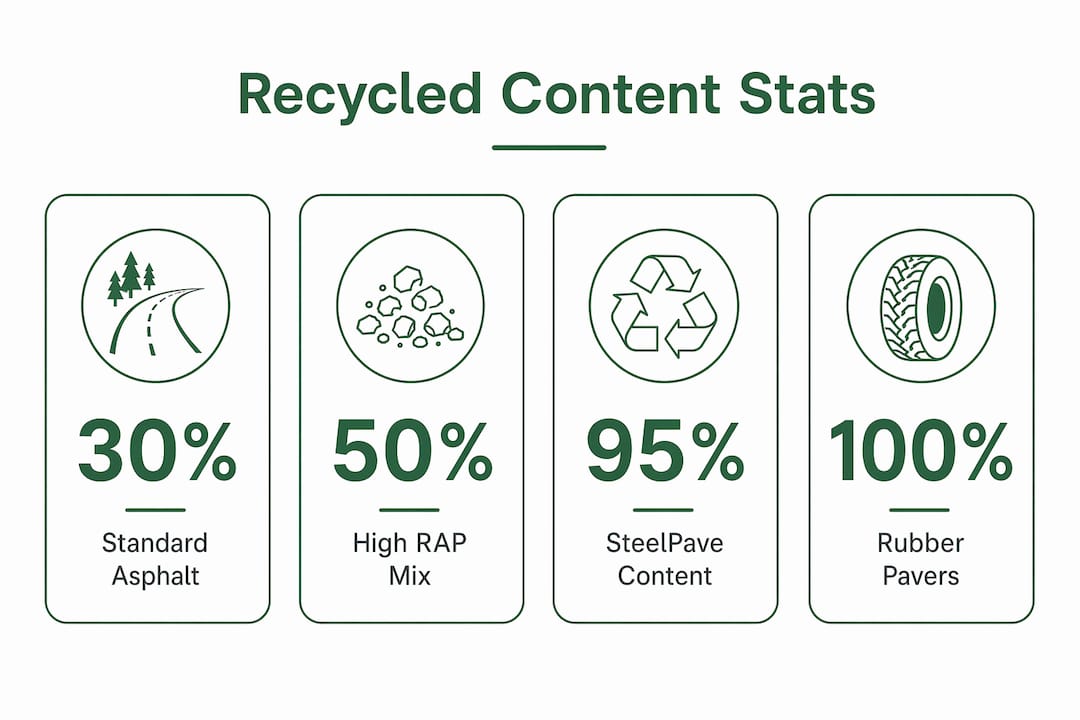
Standard hot mix asphalt projects incorporate 20–30% RAP, with some specialized mixes reaching 50%. That range reflects a balance between cost savings and the technical demands of working with aged binder material. Rubber paving sits at the opposite end of the spectrum. Products built on crumb rubber derived from recycled tires routinely achieve 90% or higher recycled content, making them one of the most material-efficient options available.
Emerging products push these numbers further. Purple Alternative Surface produces permeable paving tiles from 100% recycled plastic waste, with a negative carbon footprint per square meter during manufacturing. SteelPave incorporates up to 95% recycled steel slag, a byproduct of steel production that would otherwise require disposal. These products demonstrate that very high recycled content is achievable without sacrificing structural performance.
Pro Tip: When comparing products, ask suppliers for third-party verified recycled content data, not just marketing claims. Certification documents from programs like NGBS Green or LEED provide the most reliable figures.
How does recycled content percentage affect pavement performance?
Higher recycled content does not automatically mean lower performance. The relationship between recycled percentage and durability depends almost entirely on mix design quality and contractor expertise.
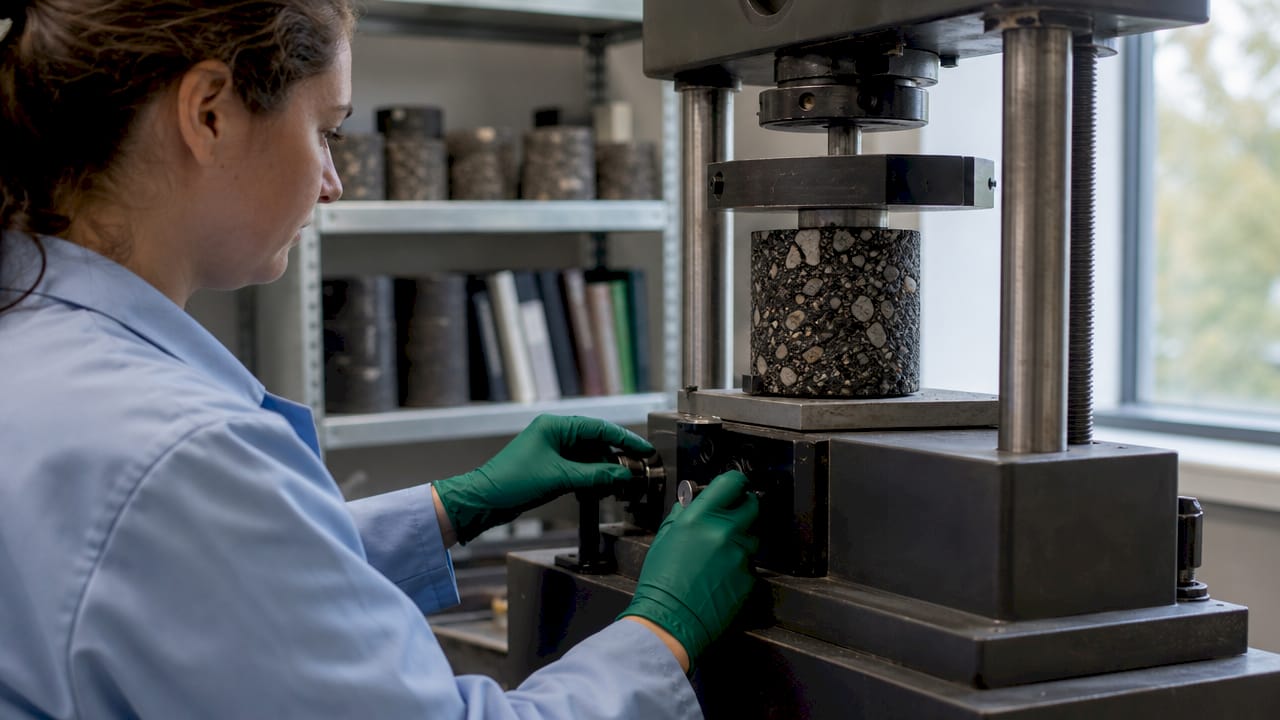
RAP contains high-quality aggregates alongside aged asphalt binder. That aged binder is stiffer than virgin material, which is why high-RAP mixes require rejuvenators or softer virgin binders to restore flexibility. Without those adjustments, pavements with elevated RAP content can crack prematurely under thermal stress. With proper mix design, performance matches or exceeds conventional asphalt.
Australian testing of Reconophalt™, a product combining soft plastics, waste glass, toner, and RAP, showed that diverse recycled material streams actually improve deformation resistance compared to standard asphalt. That finding directly contradicts the common assumption that recycled content weakens pavement. It also supports the broader industry shift toward treating recycled materials as performance assets rather than compromises.
Key installation considerations for high recycled content pavement:
- Sub-base preparation: Thermal expansion differences between recycled and virgin materials require a stable, well-compacted sub-base to prevent differential movement.
- Binder adjustment: Mixes above 30% RAP content typically need rejuvenating agents or modified binders to maintain flexibility.
- Temperature control: High-RAP mixes are more sensitive to placement temperature; contractors must monitor closely during installation.
- Quality control testing: Source variability in recycled inputs like RAP or plastic composites demands thorough material characterization before and during production.
- Curing time: Some recycled binder systems require longer curing periods before the surface accepts full traffic loads.
Pro Tip: Claims of "100% recycled materials" often refer to the aggregate fraction only. Binders or additives may still include virgin or synthetic components to meet strength and certification requirements. Always ask for a full material breakdown.
Lifecycle performance is the metric that matters most. NEO™ composite pavement technology, for example, delivers 10x the strength of asphalt concrete while requiring 6x less energy to produce. That combination of durability and low production energy means the environmental benefit compounds over the pavement's service life, not just at the point of installation.
What innovative paving products achieve the highest recycled content?
Several products now push recycled content well above the 75% threshold that most green building programs treat as a significant milestone.
SteelPave uses recycled steel slag as its primary aggregate, reaching up to 95% recycled content. Steel slag is an industrial byproduct with high compressive strength, making it structurally superior to many virgin aggregates while diverting waste from landfills. Foamix asphalt alternatives incorporate up to 92% recycled materials by combining RAP with foamed bitumen technology, reducing production temperatures and energy consumption simultaneously.
| Product | Primary Recycled Input | Recycled Content % | Key Benefit |
|---|---|---|---|
| SteelPave | Recycled steel slag | Up to 95% | High compressive strength |
| Foamix asphalt | RAP + foamed bitumen | Up to 92% | Lower production temperature |
| Reconophalt™ | Plastics, glass, toner, RAP | Variable, high | Multi-stream waste diversion |
| Purple Alternative Surface tiles | Post-consumer plastic | 100% | Negative carbon footprint |
| SmartBase Hybrid sub-base | Mixed recycled aggregate | 100% | Full sub-base replacement |
Reconophalt™, developed by Downer Group, takes a different approach by combining multiple waste streams into a single paving product. Soft plastics, waste glass, printer toner, and RAP are processed together to create a surface material that outperforms standard asphalt on deformation resistance. This multi-stream model is significant because it addresses the challenge of plastic waste at scale, a material that is difficult to recycle through conventional channels.
For sub-base applications, Green Stab Pave® offers a liquid stabilizer that allows on-site soil reuse, avoiding new material sourcing entirely. This approach redefines recycled content by treating the existing site material as the resource, rather than importing processed recycled aggregate. The environmental advantage is substantial: no transportation, no processing energy, and no virgin aggregate extraction.
The challenge with all of these products is specialized installation. High recycled content systems often require equipment calibration, trained crews, and quality control protocols that standard paving contractors may not have. That expertise gap is one reason these materials have not yet displaced conventional asphalt at scale, despite their performance credentials.
How recycled content percentages earn green building credits
Green building rating systems translate recycled content percentages directly into certification points, creating a financial incentive for specifying higher-recycled-content materials.
Under 2025 NGBS Green standards, projects earn points based on specific recycled content thresholds. The structure rewards incremental improvement rather than requiring a single high bar. Here is how the credit structure works for paving-related materials:
- 50% recycled content threshold: Projects earn points for using major components with over 50% recycled content, applicable to paving layers and sub-base materials.
- 75% recycled content threshold: A higher point award applies when components exceed 75% recycled content, which products like SteelPave and rubber paving systems can achieve.
- Sub-base recycled content: Three points are awarded per ten percent of recycled content in sub-base materials, making sub-base specification one of the highest-leverage decisions in a sustainable paving project.
- On-site reuse: Stabilization products like Green Stab Pave® that reuse existing site soil may qualify under on-site material reuse credits, separate from the recycled content pathway.
- Documentation requirements: All recycled content claims must be supported by manufacturer declarations or third-party certification to qualify for credit under NGBS Green, LEED, or similar programs.
LEED v4 uses a similar framework, awarding credits under the Materials and Resources category for products with documented recycled content. The calculation weights post-consumer recycled content at full value and pre-consumer content at half value. For paving projects, this distinction matters because RAP is classified as post-consumer material, giving it full credit weight under LEED calculations.
Key takeaways
Recycled content percentage in paving materials ranges from 20% in standard asphalt mixes to 100% in rubber and plastic-based products, with performance outcomes determined by mix design quality rather than recycled percentage alone.
| Point | Details |
|---|---|
| Standard asphalt RAP range | Most hot mix asphalt projects use 20–30% RAP; specialized mixes reach 50%. |
| Rubber paving leads in recycled content | Crumb rubber products regularly achieve 90–100% recycled content from tire waste. |
| Mix design determines performance | High-RAP mixes require rejuvenators or modified binders to prevent premature cracking. |
| Green credits reward thresholds | NGBS Green awards three points per 10% of recycled sub-base content under 2025 standards. |
| Innovative products exceed 90% | SteelPave, Foamix, and Reconophalt™ demonstrate that very high recycled content is commercially viable. |
Why the percentage number alone is misleading
I have spent enough time reviewing paving specifications to know that recycled content percentage is the most cited number and the most misunderstood one. Buyers see "50% recycled content" and assume the product is twice as sustainable as a 25% alternative. That logic does not hold up.
What actually matters is where the recycled content comes from, how it was processed, and whether the mix design accounts for its material properties. A 50% RAP mix with a poorly adjusted binder will fail faster than a 25% RAP mix with a properly engineered rejuvenator system. The failure costs more in carbon, money, and disruption than the original recycled content saved.
The products I find genuinely worth attention are the ones that treat recycled content as a starting point for performance engineering, not a marketing headline. Reconophalt™ is a good example. The team at Downer Group did not just throw plastic waste into asphalt. They tested deformation resistance, validated environmental safety, and documented whole-of-life cost benefits. That is the standard every high-recycled-content product should meet.
For homeowners and project managers evaluating sustainable paving options, my practical advice is this: ask for the full material data sheet, not just the recycled content percentage. Ask how the mix was designed, what quality control protocols the installer follows, and whether the product has been tested in your specific climate conditions. Florida's heat and humidity create very different demands than a northern climate, and a product that performs well in one region may not translate directly.
The future of recycled content in paving is not about hitting the highest possible percentage. It is about building systems where recycled materials are the default choice because they perform better, cost less over time, and carry documented environmental credentials. That shift is already happening, and the products covered in this article are the evidence.
— Gm
See Ecotecrubber's recycled content paving solutions in action
Ecotecrubber's Rubberway® system delivers one of the highest recycled content percentages available in the paving industry, using crumb rubber sourced from recycled tires to create surfaces that handle Florida's heat, heavy rainfall, and ADA compliance requirements without compromise. Every installation is managed by licensed, insured professionals who specialize exclusively in rubber paving. If you are comparing environmentally friendly paving options for a residential, commercial, or municipal project, explore the full range of Rubberway paving products or visit Ecotecrubber's installation page to request a project consultation.
FAQ
What is a typical recycled content percentage for asphalt pavement?
Most hot mix asphalt projects incorporate 20–30% Reclaimed Asphalt Pavement (RAP), with some high-RAP mixes reaching 50%. The industry recycles over 73 million tons of asphalt annually, making it the most recycled construction material in the US.
Does higher recycled content mean lower pavement quality?
Not when the mix is properly engineered. Australian field testing of products like Reconophalt™ showed that recycled materials including soft plastics and waste glass can improve deformation resistance compared to standard asphalt. Mix design quality, not recycled percentage, determines performance.
What paving material has the highest recycled content percentage?
Rubber paving made from crumb rubber and permeable plastic pavers like those from Purple Alternative Surface both achieve 100% recycled content. SteelPave reaches up to 95% using recycled steel slag as its primary aggregate.
How does recycled content in paving affect green building certification?
Under 2025 NGBS Green standards, projects earn three points per 10% of recycled content in sub-base materials. LEED v4 awards credits under Materials and Resources for documented recycled content, with post-consumer materials like RAP counted at full value.
Is rubber paving a good high-recycled-content option for Florida properties?
Rubber paving is one of the strongest choices for Florida's climate. The material resists heat-induced cracking, drains efficiently during heavy rain, and is manufactured from recycled tire waste at 90–100% recycled content. Ecotecrubber's Rubberway® installations are specifically designed for Florida's environmental conditions.