
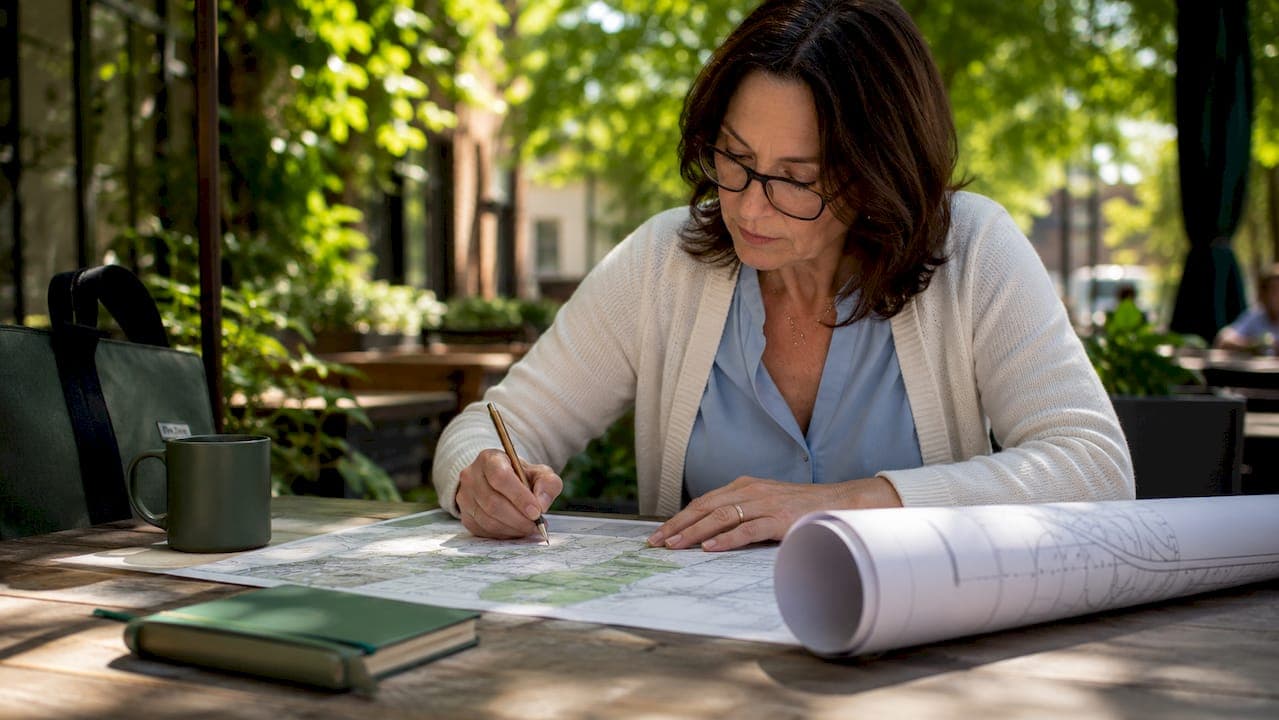
A community-wide paving upgrade is defined as a coordinated, large-scale program that resurfaces or replaces roads, alleys, and related pavement across a defined community area to improve safety, durability, and long-term infrastructure quality. The industry term for this work is a pavement improvement program, though planners commonly use "community-wide paving upgrade" to describe the same coordinated effort. High-quality paving can increase property values by 5–15% and reduce maintenance costs by 40–50% compared to unimproved surfaces. That combination of financial and safety returns makes paving one of the highest-value capital investments a municipality can make. Funding typically flows through multi-year capital improvement plans, tax increment financing, and sustainability grants.
What is a community-wide paving upgrade, and what does it involve?
A community-wide paving upgrade covers every phase from initial condition assessment through final surface installation. The process is not simply repaving a street. It is a managed sequence of engineering, logistics, and public communication steps that determine whether the finished pavement lasts decades or fails within a few years.
A standard program follows this sequence:
- Pavement condition assessment. Engineers use physical surveys and scanning technology to rate each road segment. Ratings guide which streets need full replacement versus resurfacing.
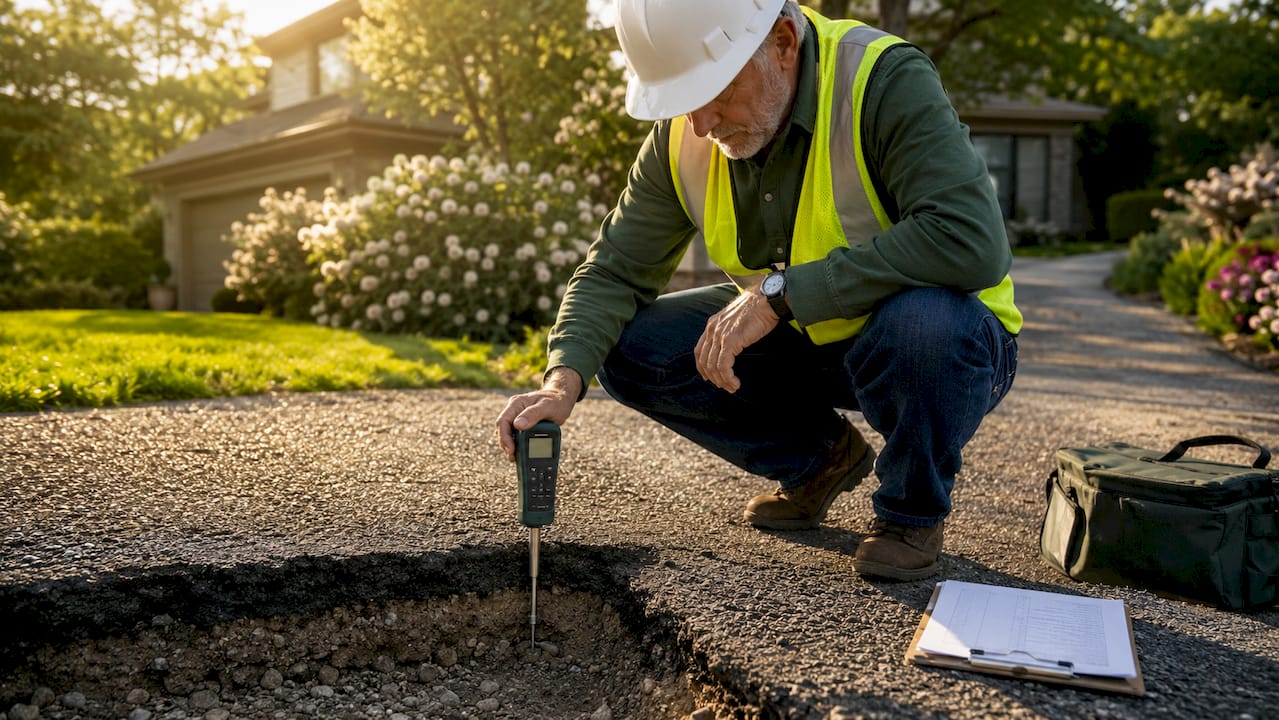
- Base preparation and drainage review. Full-depth reclamation and proper grading prevent premature failures more reliably than any surface treatment. Drainage deficiencies identified at this stage must be corrected before paving begins.
- Phased construction scheduling. Work is divided into sections so residents retain access to their properties throughout the project. A 150-driveway community upgrade demonstrated that phased schedules with clear communication enabled smooth project flow and maintained resident satisfaction.
- Traffic and parking management. Temporary parking solutions, posted detour routes, and advance notice letters reduce conflict during active paving.
- Surface installation and quality inspection. Final lift placement is inspected for compaction, grade, and drainage slope before the project closes out.
- Documented maintenance plan. A written schedule for crack sealing, sealcoating, and pothole repair extends pavement life and protects the capital investment.
Pro Tip: Conduct your pavement condition survey at least 12 months before the planned construction start. That lead time gives your team room to secure funding, complete design, and notify residents without compressing any phase.
Stakeholder communication runs parallel to every technical step. Residents who understand the schedule, the access plan, and the expected disruption duration are far more cooperative during construction.
How do municipalities fund and plan large-scale paving projects?
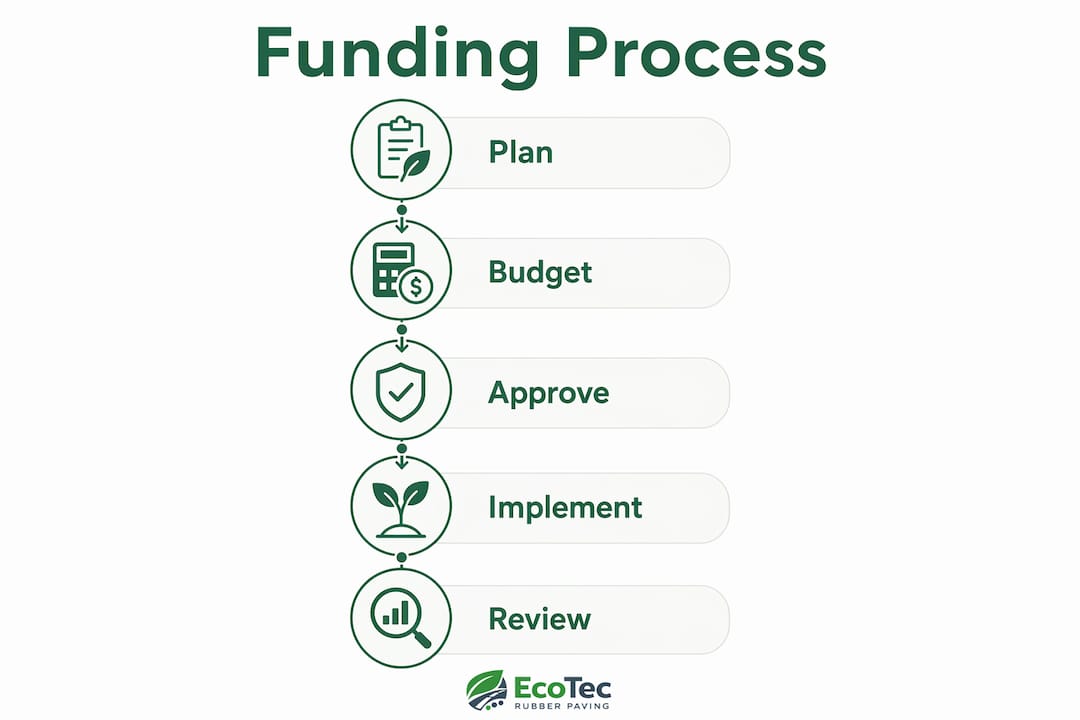
Funding a community-wide paving program requires layering multiple revenue sources. No single mechanism covers the full cost of a large-scale pavement improvement program, and planners who rely on one source routinely face mid-project shortfalls.
The most common funding tools include:
- Multi-year capital improvement plans (CIPs). Cities structure paving as a recurring line item across five or more budget years. Danbury, Connecticut shifted from paving 8 miles per year to an aggressive 15-mile-per-year, five-year plan by combining municipal tax funds, tax increment financing, and environmental grants.
- Tax increment financing (TIF). TIF captures increased property tax revenue generated by improvements in a defined district and redirects it to infrastructure costs.
- Sustainability and environmental grants. Federal and state programs fund permeable pavement installations and stormwater management features. These grants often require matching local funds.
- Special assessments. Property owners within a defined zone pay a fee proportional to the benefit they receive from the upgrade.
- Referendums and public-private partnerships. Brookfield's alley paving program illustrates the scale of the challenge: a 99-year paving cycle could cost $114 million, requiring property tax referendums and grant applications to fund phased improvements.
The table below summarizes the primary funding mechanisms and their key characteristics.
| Funding source | Best suited for | Key consideration |
|---|---|---|
| Capital improvement plan | Citywide, recurring programs | Requires multi-year budget commitment |
| Tax increment financing | Urban renewal districts | Depends on rising property values |
| Sustainability grants | Permeable or eco-friendly designs | Competitive; requires matching funds |
| Special assessments | Neighborhood-level projects | May face resident opposition |
| Referendums | Large, high-cost programs | Requires public approval vote |
Community committees sometimes fill gaps that government funding cannot cover. In Randolph County, Alabama, a grassroots committee paved a road after three years of private fundraising and navigating state engineering requirements. That example shows both the power of community organizing and the real cost of bureaucratic delay. Planners who build public support early reduce the risk of that kind of prolonged stall.
For a detailed breakdown of how to structure municipal paving budgets, the 2026 public infrastructure paving guide covers capital planning frameworks used by municipalities across Florida.
What sustainability and safety benefits come with modern paving upgrades?
Modern community paving projects do more than fix rough roads. They address stormwater runoff, urban heat, pedestrian safety, and long-term operating costs simultaneously. Planners who treat sustainability as a design requirement from the start, rather than an add-on, capture the most value.
Key sustainability and safety benefits include:
- Stormwater management. Permeable pavement designs can capture 10,000 gallons of rain runoff annually per 150 square feet of installed surface. That capacity directly reduces downstream flooding and combined sewer overflow events.
- Urban heat reduction. Permeable and light-colored paving materials lower urban heat absorption by up to 35% compared to conventional concrete. That reduction cuts cooling costs for adjacent buildings and improves pedestrian comfort during summer months.
- Pedestrian safety. Resurfacing eliminates trip hazards from cracked and heaved pavement. ADA-compliant ramp installations, which are standard in modern programs, reduce liability exposure for municipalities.
- Long-term cost savings. Fresh pavement with a documented maintenance plan is treated as a value-add by property buyers and lenders. Reduced vehicle damage from smooth roads also translates to reported savings of $200–$500 per household annually in vehicle maintenance costs.
Pro Tip: Specify permeable paving sections at low points and near storm drain inlets first. Those locations deliver the greatest stormwater benefit per dollar spent and make a strong case for grant eligibility.
Ecotecrubber's Rubberway® system addresses several of these goals at once. Recycled rubber paving provides excellent drainage, crack resistance, and ADA-compliant surfaces, which aligns directly with the sustainability and safety requirements of modern community paving programs. Planners working in Florida's climate find that rubber paving handles heat-induced expansion and standing water better than many conventional materials. For a technical overview of how permeable materials perform in municipal applications, the stormwater management paving guide covers drainage performance data relevant to community projects.
What practical challenges arise when implementing paving upgrades?
Implementation is where well-planned projects succeed or fail. The most common failure points are not design errors. They are logistics gaps, drainage oversights, and communication breakdowns that compound into costly rework.
Planners consistently encounter these challenges:
- Access disruption. Residents lose driveway access for 24–72 hours during active paving. Phased scheduling and advance notice letters, posted at least two weeks before work begins, reduce complaints and emergency access conflicts.
- Base layer failures. Ignoring drainage and foundation issues causes early pavement failure. Full-depth removal and regrading are not optional when subgrade conditions are poor. Skipping this step to save money upfront produces a surface that fails within three to five years.
- Unpaved alleys and secondary roads. Unpaved alleys are a leading resident complaint, yet they are frequently excluded from primary paving programs due to cost. A phased approach with a published multi-year schedule manages expectations and demonstrates progress.
- Maintenance plan gaps. Projects without a documented post-construction maintenance schedule lose pavement quality faster. Crack sealing within the first two years of installation dramatically extends surface life.
"Property owners often undervalue professional installation and grading, leading to more frequent repairs and lower appraisal values. The base preparation phase is where long-term pavement performance is won or lost, and cutting corners there costs far more in the long run than the initial savings suggest."
Resident communication is not a soft skill in this context. It is a project management requirement. Communities that receive regular updates on schedule changes, access windows, and project milestones report fewer conflicts and faster approvals for future phases.
Key Takeaways
A community-wide paving upgrade delivers lasting value only when base preparation, phased logistics, sustainable materials, and multi-source funding are planned together from the start.
| Point | Details |
|---|---|
| Base preparation is non-negotiable | Full-depth reclamation and proper grading prevent premature pavement failure more than any surface treatment. |
| Layer your funding sources | Combine CIPs, TIF, grants, and special assessments to avoid mid-project shortfalls. |
| Sustainability pays long-term | Permeable designs reduce stormwater runoff and urban heat while qualifying projects for environmental grant funding. |
| Communication drives resident support | Phased schedules with advance notice reduce access conflicts and build public trust for future project phases. |
| Maintenance plans protect the investment | A documented post-construction schedule for crack sealing and resurfacing extends pavement life and preserves property values. |
Why planners should treat paving as a strategic asset
Most paving programs get approved as maintenance line items. That framing undersells what a well-executed community-wide upgrade actually does. I have seen municipalities spend years patching the same streets in reactive cycles, spending more in cumulative repair costs than a single coordinated upgrade would have cost upfront. The math is not subtle.
The planners who get the best outcomes treat pavement as infrastructure with a designed service life, not a surface that gets fixed when it breaks. That means building the maintenance plan before the first truck rolls, not after the ribbon cutting. It means specifying materials that perform in your specific climate, not just materials that are cheapest at bid time. Florida's heat and rainfall patterns, for example, punish conventional asphalt in ways that rubber and permeable paving handle far better.
Public communication is the other piece that separates successful programs from contentious ones. Residents do not oppose paving upgrades. They oppose feeling ignored during construction. A published phased schedule, a direct contact for questions, and honest updates when timelines shift convert skeptics into advocates for the next phase.
The long-term signal a quality paving program sends is also worth naming directly. Well-maintained streets tell buyers, businesses, and lenders that a community manages its assets. That signal shows up in property values, in commercial investment decisions, and in the ease of passing future infrastructure referendums. Paving is not glamorous. But few capital investments return as much visible, measurable community benefit per dollar spent.
— Roger
Sustainable paving options for community planners
Community planners working on paving improvement programs need materials that perform across the full project lifecycle, not just at installation.
Ecotecrubber's Rubberway® rubber paving installations are built specifically for Florida's climate demands, using recycled materials that deliver excellent drainage, crack resistance, and ADA-compliant surfaces. Municipal projects benefit from Ecotecrubber's licensed and insured installation teams, who coordinate every phase of rubber paving work with professional standards. For planners evaluating material options for walkways, parking areas, and community surfaces, Ecotecrubber's rubber paving product line provides specifications suited to public infrastructure requirements. Contact Ecotecrubber directly to discuss how Rubberway® fits your next community paving project.
FAQ
What is a community-wide paving upgrade?
A community-wide paving upgrade is a coordinated program that resurfaces or replaces roads, alleys, and related pavement across a defined community area to improve safety, durability, and infrastructure quality. The industry term is a pavement improvement program.
How much can paving upgrades increase property values?
High-quality paving increases property values by 5–15% and reduces maintenance costs by 40–50% compared to unimproved surfaces, with households reporting $200–$500 in annual vehicle maintenance savings.
What funding sources do municipalities use for paving projects?
Municipalities fund paving programs through multi-year capital improvement plans, tax increment financing, sustainability grants, special assessments, and public referendums. Most large programs layer several of these sources to cover full project costs.
Why is base preparation so critical in paving upgrades?
Full-depth reclamation and proper grading are the primary factors in long-lasting pavement. Skipping base preparation to reduce upfront costs typically causes surface failure within three to five years.
How do permeable pavements benefit community paving projects?
Permeable pavement captures stormwater runoff, reduces urban heat absorption by up to 35% compared to conventional concrete, and qualifies projects for environmental grant funding, making it a cost-effective choice for modern community road enhancements.