
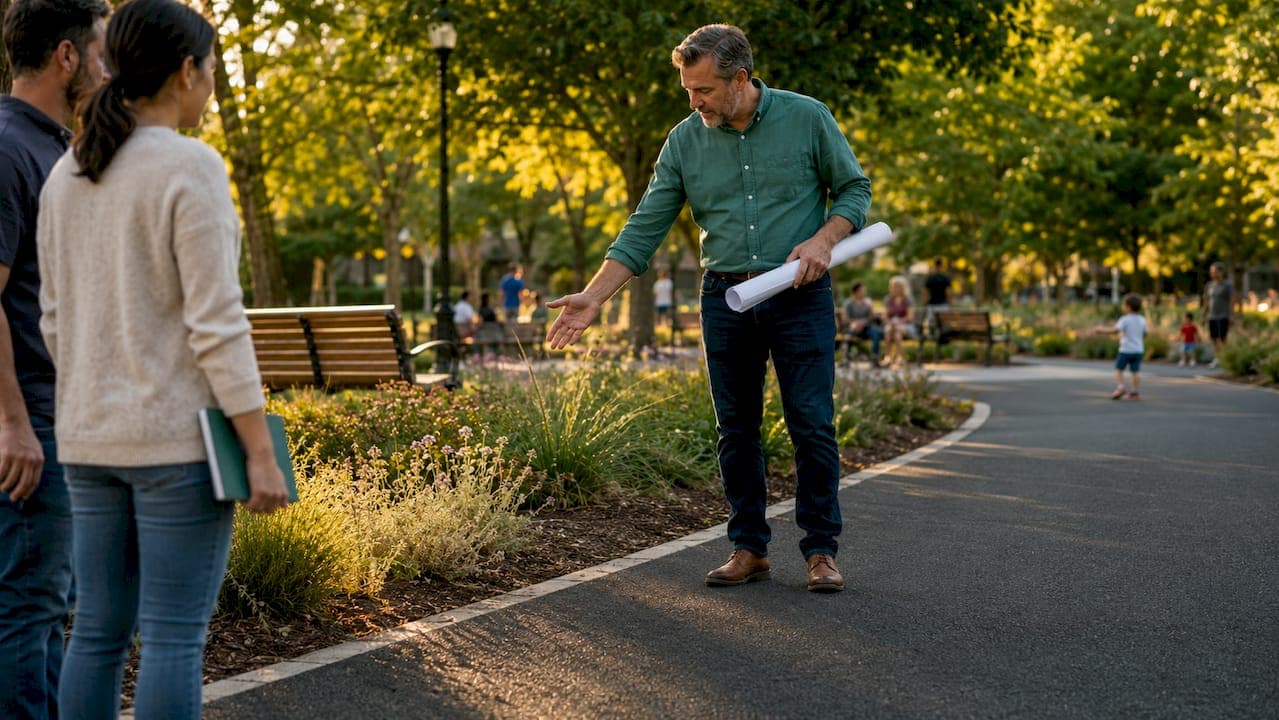
Paving is the single most visible surface element that shapes a visitor's first impression of any property or neighborhood. The role of paving in community curb appeal goes far beyond filling space between the street and the front door. Cracked, uneven, or stained paving signals neglect before anyone reaches the entrance, regardless of how well-kept the interior is. Thoughtful pavement design, the industry term for the deliberate selection and layout of surface materials, turns driveways, walkways, and parking areas into assets that actively lift property value and neighborhood pride.
How does paving design influence neighborhood aesthetics?
Pavement design shapes the visual character of a neighborhood more than most homeowners and planners realize. Matching paving materials to architectural style creates visual harmony that extends from the home's facade all the way to the street. A modern home with clean lines reads best with large-format gray pavers and minimal joint lines. A Mediterranean-style property gains warmth and coherence from natural stone in amber or terracotta tones.
The layout pattern matters as much as the material itself. Running bond patterns draw the eye forward and make driveways feel longer. Herringbone layouts add texture and visual interest to pedestrian walkways. Large-format pavers with minimal joints create a calm, uncluttered surface that complements contemporary architecture far better than mixed modular patterns, which can feel busy and dated.
Border details and edge treatments are the finishing touches that separate an average installation from a polished one. A contrasting border in a complementary color frames the driveway like a picture frame and signals intentional design. Color consistency between the driveway, front walkway, and patio creates a unified outdoor composition that visitors register immediately, even if they cannot articulate why.
- Match paving color to the dominant tones in your home's exterior materials
- Use a single primary paving pattern and reserve accent patterns for borders only
- Keep joint widths consistent across the entire installation for a professional finish
- Extend the same material or color family from the driveway to the front path for visual continuity
Pro Tip: Visual calmness is a design asset. Editing existing elements and simplifying your paving palette almost always outperforms adding more complex features.
Why does routine paving maintenance matter for curb appeal?
Maintenance is where most properties lose ground on curb appeal. A well-designed driveway that has been ignored for three years looks worse than a basic asphalt surface that receives regular care. Sealcoated surfaces appear uniform and well-managed, while unsealed pavement fades, oxidizes, and develops surface cracks that collect dirt and weeds.
A practical maintenance program covers four core tasks, each with a direct impact on appearance and safety.
- Sealcoating. Applying a fresh sealcoat restores the dark, uniform color of asphalt and fills minor surface voids. It signals active property management to anyone approaching the building.
- Crack repair. Addressing cracks early prevents water infiltration that widens damage over time. Small repairs cost a fraction of full resurfacing and keep the surface looking intact.
- Line striping. Fresh pavement markings, including ADA-compliant zones, improve traffic flow, safety, and the overall impression of organization. Faded lines communicate neglect as clearly as peeling paint.
- Power washing. Proper pressure washing can make paving look years younger. Optimal pressure and nozzle selection are critical. Aggressive or too-frequent washing strips protective sealants and damages joint material, so technique matters.
Pro Tip: Schedule sealcoating and crack repairs in the same service visit. Addressing both together reduces labor costs and produces a more consistent finished appearance.
Maintenance also sends a social signal. A community or business that keeps its pavement in good condition tells visitors and neighbors that the property is actively managed. That perception carries real weight in HOA communities and commercial districts where shared standards govern property appearance.
What paving materials work best for community curb appeal?
Selecting paving materials requires balancing aesthetics, durability, sustainability, and the visual character of the surrounding neighborhood. No single material wins on every criterion, but understanding the tradeoffs makes the choice straightforward.
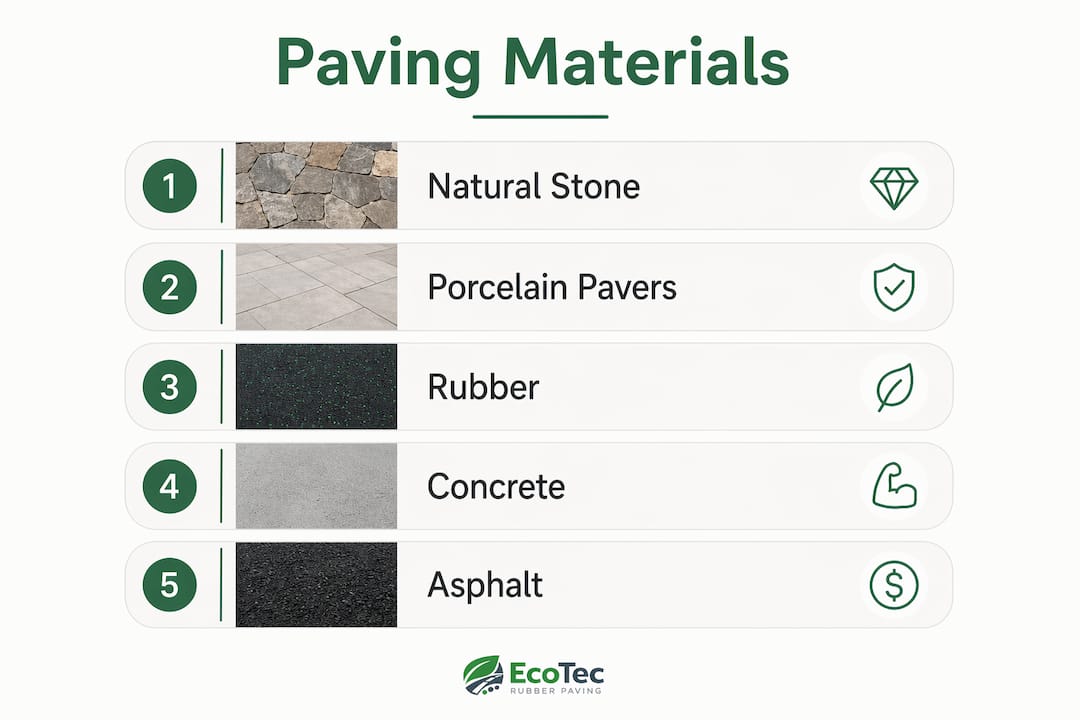
| Material | Aesthetic appeal | Durability | Sustainability | Best use case |
|---|---|---|---|---|
| Asphalt | Moderate | High | Low to moderate | Large driveways, parking areas |
| Concrete | High | Very high | Moderate | Walkways, residential driveways |
| Natural stone | Premium | High | Moderate | Entryways, accent areas |
| Rubber paving | Good to high | High | High (recycled content) | Walkways, pool decks, community paths |
| Porcelain pavers | Very high | Very high | Moderate | Patios, upscale residential entries |
Rubber paving deserves specific attention for community and commercial applications. Eco-friendly options like rubber paving use recycled materials, offer excellent drainage, and resist the cracking that Florida's heat cycles inflict on conventional surfaces. That combination of sustainability and performance appeals directly to HOA boards and municipalities managing shared spaces.
LEED-friendly paving materials are also gaining traction in community planning. Green building certifications reward permeable and recycled-content surfaces, which means material choices now affect both curb appeal and a property's environmental credentials.
- Asphalt suits large areas where cost efficiency matters most
- Natural stone and porcelain pavers deliver premium visual impact at higher price points
- Rubber paving offers a practical middle ground: good looks, low maintenance, and recycled content
- Sub-base compaction and grading determine longevity regardless of which surface material you choose
The foundation beneath the surface is the most underestimated factor in paving quality. Poor sub-base preparation causes high-end pavers to sink or shift within one to three years. The surface material gets the attention, but the base work determines whether the installation still looks good a decade later.
How does paving integrate with landscaping and lighting?
Well-designed paving acts as a visual transition from the street to the home, and its impact multiplies when landscaping and lighting work alongside it. Paving alone defines a path. Paving combined with layered plantings and thoughtful illumination creates an experience.
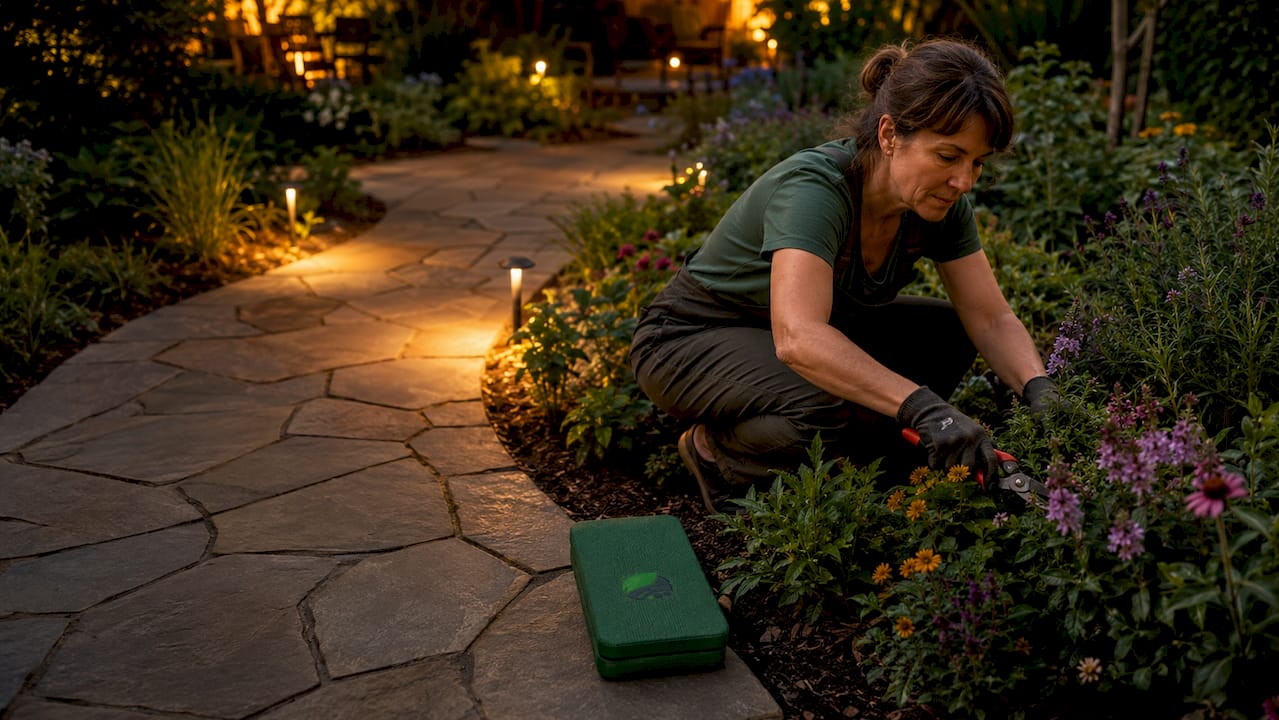
Plant height layering alongside a driveway or walkway frames the paved surface and gives it context. Low ground cover at the edge, mid-height shrubs behind, and taller accent plants further back create depth without blocking sightlines. That layering makes the paving feel intentional rather than utilitarian.
Lighting transforms paving after dark. Path lights set into or alongside paving surfaces highlight the material's texture and color while improving safety. Uplighting on adjacent plantings adds depth and draws the eye from the street. The combination creates what designers describe as a "red carpet" effect: a clear, welcoming path from the curb to the front door that engages visitors before they arrive.
Curb appeal works best as a cohesive composition where paving, landscaping, and lighting complement each other. When any one element dominates or clashes with the others, the overall impression suffers. A beautifully paved driveway bordered by overgrown shrubs and no lighting reads as incomplete. The same driveway with trimmed plantings and low-voltage path lights reads as a finished, cared-for property.
Stormwater management is another integration point that planners often overlook. Permeable paving surfaces allow rainwater to drain through rather than pool on the surface, which protects adjacent landscaping and prevents the standing water that damages both plants and pavement edges.
Key takeaways
Paving is the foundation of curb appeal because it controls the first impression, defines the visual character of outdoor spaces, and signals the level of care a property receives.
| Point | Details |
|---|---|
| First impressions start at the pavement | Cracked or stained surfaces signal neglect before visitors reach the door. |
| Design cohesion lifts perceived value | Match paving materials and patterns to your home's architectural style for visual harmony. |
| Maintenance is non-negotiable | Sealcoating, crack repair, and fresh line striping keep surfaces looking managed and safe. |
| Material choice affects sustainability | Rubber paving and permeable surfaces deliver durability, drainage, and recycled content. |
| Integration multiplies impact | Paving combined with layered landscaping and lighting creates a complete, welcoming entry. |
What most articles on curb appeal get wrong about paving
Paving is almost always treated as a background element in curb appeal discussions, something to fix only when it becomes a problem. That framing is backwards. After years of watching properties get listed, renovated, and managed, the pattern is clear: the properties that command attention and hold value longest are the ones where paving was treated as a design decision from the start, not an afterthought.
The most common mistake I see is skipping sub-base preparation to save money on installation. Homeowners spend on premium natural stone or porcelain pavers and then watch them shift and crack within two years because the foundation was not properly compacted. The surface material is what you see. The base is what makes it last.
The second mistake is ignoring maintenance until the damage is visible. Sealcoating and crack repair are cheap when done on schedule. Resurfacing or full replacement is not. A property that gets annual maintenance looks consistently well-managed. That consistency is what neighbors notice and what buyers remember.
Paving also carries more social weight than most people acknowledge. In HOA communities and commercial corridors, the condition of paved surfaces sets the tone for the entire block. One well-maintained property raises the standard. One neglected one pulls the average down. That dynamic makes paving a community issue, not just a personal one.
— Roger
Ecotecrubber's rubber paving solutions for lasting curb appeal
Paving that looks good on day one and still looks good five years later requires the right material and the right installation. Ecotecrubber specializes in Rubberway® rubber paving installations designed specifically for Florida's climate, where heat cycles and heavy rain punish conventional surfaces.
Ecotecrubber uses recycled rubber materials that resist cracking, drain efficiently, and meet ADA compliance standards. The result is a surface that holds its appearance with minimal upkeep, which matters for HOA communities, municipalities, and businesses managing shared outdoor spaces. Every installation is handled by a licensed and insured team focused exclusively on rubber paving. If you want a surface that supports your community's curb appeal goals without adding to your maintenance burden, Ecotecrubber is worth a direct conversation.
FAQ
How does paving affect property value?
Paving is the first physical surface visitors and buyers encounter, and its condition directly shapes their perception of the property's overall care and value. Cracked or stained driveways create a negative impression that interior upgrades cannot fully overcome.
What paving material is best for curb appeal?
The best material depends on the architectural style and budget. Natural stone and porcelain pavers deliver premium visual impact, while rubber paving offers a durable, eco-friendly option with good aesthetics and low maintenance requirements.
How often should paving be sealed or maintained?
Asphalt driveways benefit from sealcoating every two to three years. Crack repairs and power washing should be addressed as needed, with an annual inspection to catch early damage before it spreads.
Does paving design need to match landscaping?
Yes. Paving, landscaping, and lighting work as a single composition. Paving that clashes with surrounding plantings or ignores lighting undermines the overall curb appeal, even if the surface itself is high quality.
Is rubber paving a good choice for community spaces?
Rubber paving suits community walkways, pool decks, and shared paths well. It uses recycled content, drains effectively, resists cracking in heat, and meets ADA standards, making it practical for municipalities and HOA-managed properties.