
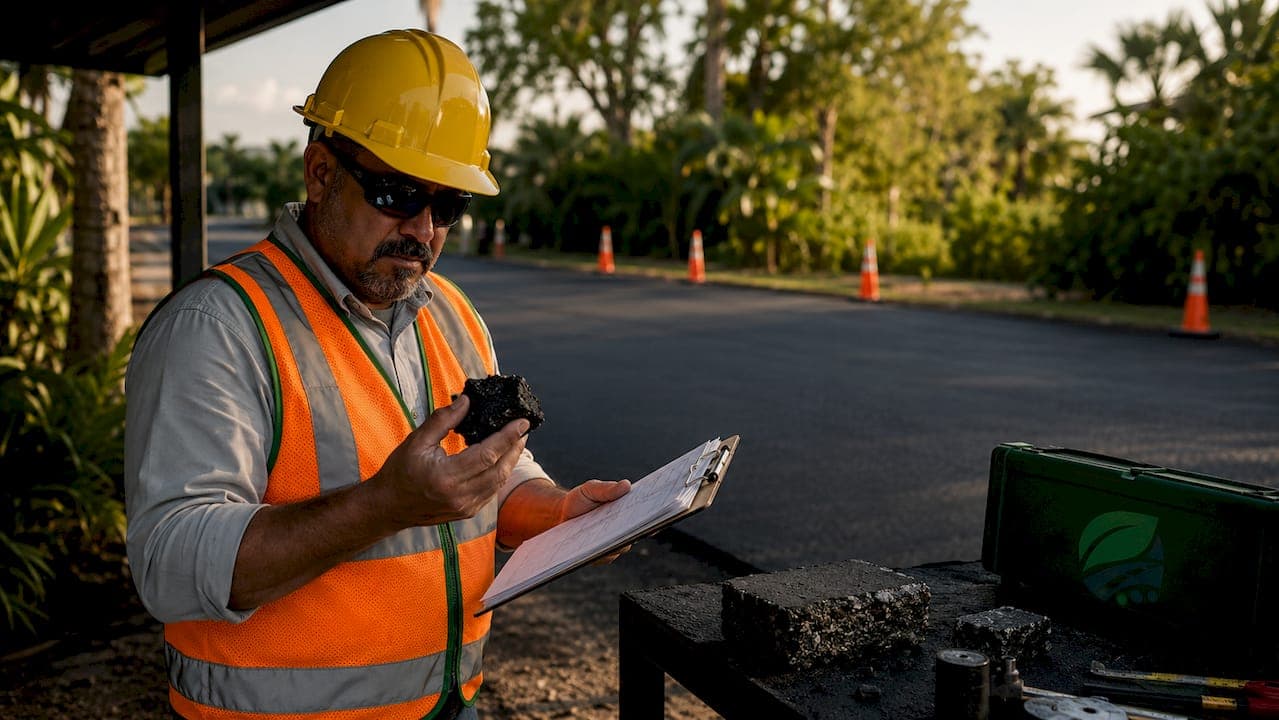
Florida business paving challenges are defined by three compounding forces: extreme climate stress, unstable soil conditions, and strict regulatory requirements that most out-of-state contractors underestimate. A properly installed pavement in Florida lasts 15–25 years, but shortcuts cut that lifespan to 5–8 years. That gap represents tens of thousands of dollars in premature repairs, lost curb appeal, and potential liability. The sections below break down each major obstacle and what you can do about it before the first truck rolls onto your property.
1. Florida business paving challenges start with extreme heat
Florida's summer sun does more than make workers uncomfortable. Asphalt surface temperatures can exceed 140°F, which softens the binder that holds the aggregate together. Once the binder softens, heavy vehicles leave ruts and indentations that worsen with every passing season.
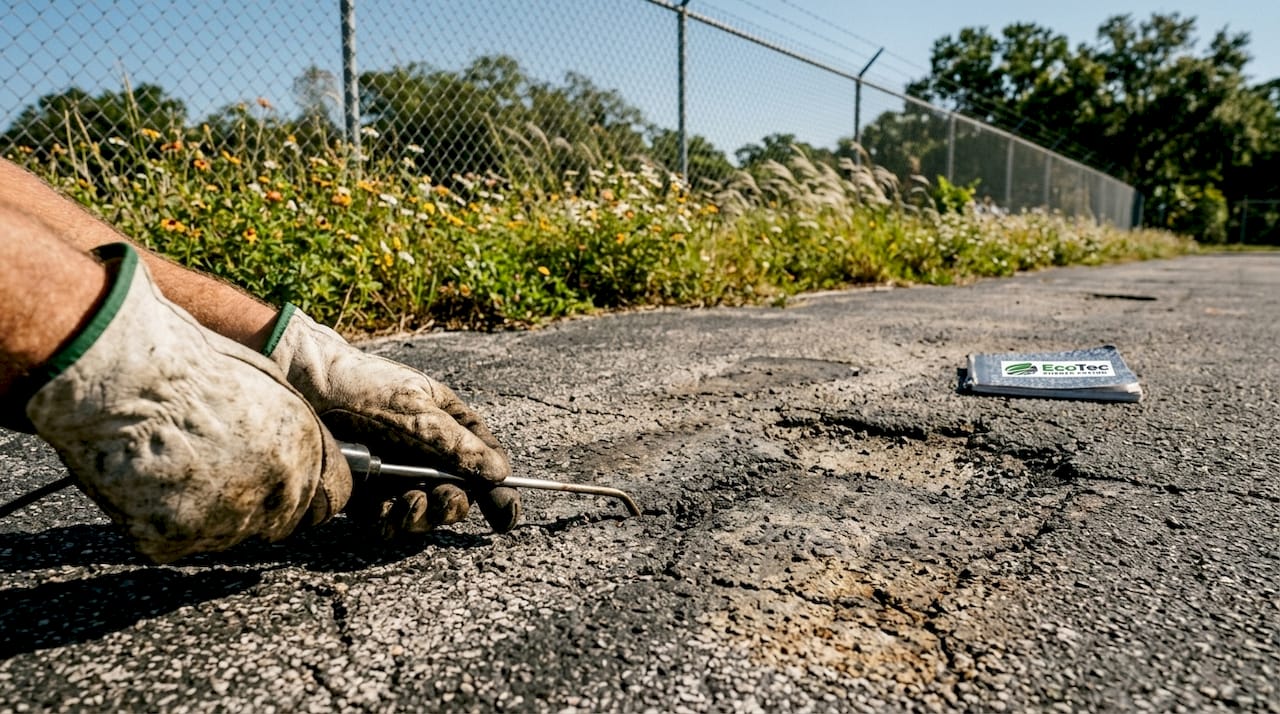
The fix is material selection. Polymer-modified asphalt mixes are specifically engineered to resist heat-induced softening and rutting under heavy traffic loads. Standard mixes designed for northern climates fail faster in Florida conditions.
UV exposure compounds the heat problem. Prolonged sunlight oxidizes the binder, making the surface brittle and prone to cracking even without heavy traffic. Sealcoating on a regular schedule slows oxidation, but it does not substitute for the right mix design from day one.
- Use polymer-modified asphalt for all commercial Florida installations
- Schedule sealcoating every 2–3 years to slow UV oxidation
- Avoid dark pavement in high-sun areas without shade structures or reflective coatings
Pro Tip: Ask your contractor for the specific mix design specification before signing any contract. A reputable contractor will provide it without hesitation.
2. Heavy rainfall and stormwater management
Water is the primary enemy of Florida pavement. When drainage fails, standing water penetrates the surface layer, weakens the sub-base, and accelerates the formation of potholes and structural depressions. Florida averages more annual rainfall than nearly any other continental state, which means this is not a rare event. It is a weekly reality for most of the year.
Proper slope design is the first line of defense. A minimum 1–2% cross slope is required to move water off the pavement surface and into drainage structures. Failing to meet this standard causes ponding, triggers code violations, and opens your business to liability if a customer slips.
Stormwater detention features, including retention ponds and French drains, are often required by local ordinance for commercial properties. Skipping them to cut costs creates a compounding problem: the pavement fails faster, and you still owe the municipality a retrofit. Proper stormwater drainage design should be treated as a structural requirement, not an optional upgrade.
- Design for a minimum 1–2% cross slope on all paved surfaces
- Include retention or detention features where local codes require them
- Use catch basins and French drains to redirect high-volume runoff
- Inspect drainage inlets after every major storm event
Stat callout: Drainage failures are the leading cause of premature pavement damage in Florida. Pavement installed without proper slope and detention features routinely fails years ahead of schedule.
3. Soil and subgrade preparation
Sandy Florida soils shift, compress unevenly, and retain moisture at the base of a pavement structure. Subgrade compaction is more critical than asphalt thickness in Florida because a weak base causes cracking and settling regardless of how thick the surface layer is. This is the single most underestimated factor in commercial paving failures across the state.
Proper subgrade preparation involves several non-negotiable steps:
- Remove all organic material and unstable soil from the project area
- Compact the native soil to the density specified by a licensed engineer
- Install geotextile fabric where soils are particularly sandy or prone to shifting
- Add engineered fill or crushed limestone base material to the required depth
- Perform compaction testing before any asphalt is placed
Geotextile fabric deserves special attention. It separates the base material from the native soil, preventing migration and maintaining the structural integrity of the base over time. Skipping it on sandy Florida sites is a common shortcut that leads to early failure.
Pro Tip: Require a compaction test report from your contractor before they pour any asphalt. If they resist, that resistance tells you everything you need to know about their standards.
For a detailed look at subgrade engineering techniques that apply specifically to Florida commercial sites, the process is well documented and worth reviewing before your project starts.
4. Permits, codes, and compliance requirements
Skipping permits is the fastest way to turn a paving project into a legal and financial crisis. Non-compliance fines range from $100 to over $1,000 per violation, with daily penalties added until the issue is corrected. Stop-work orders and forced removal of unpermitted pavement are also on the table.
Florida commercial paving projects typically require building permits, zoning approvals, and stamped engineering plans from a licensed professional engineer. Requirements vary by county and municipality, so what applies in Sarasota may differ from what applies in Orlando or Jacksonville. Assuming your contractor knows the local rules without verifying it yourself is a costly mistake.
The Florida Department of Transportation (FDOT) publishes standard specifications for pavement construction that many local jurisdictions adopt or reference. Conforming to FDOT standards improves pavement durability and reduces the risk of code enforcement action. Your contractor should cite the applicable specifications in the project documents.
- Confirm all required permits are pulled before work begins
- Request copies of stamped engineering plans
- Verify the contractor's license with the Florida Department of Business and Professional Regulation
- Check local zoning rules for impervious surface limits before finalizing your design
5. Scheduling around Florida's rainy season
Timing a paving project in Florida is not a preference. It is a technical requirement. Scheduling paving outside of Florida's intense rainy season directly improves asphalt curing quality and produces more durable results. Rain on freshly laid asphalt before it cures causes surface defects, weakens the bond between layers, and shortens pavement life.
Florida's rainy season runs roughly from june through september, with peak rainfall in july and august. The dry season, from october through april, offers the most reliable window for commercial paving. Projects started in late spring often get caught by early rains, which is why experienced contractors build weather contingency plans into their schedules.
Hurricane preparation is a separate but related concern. A project that is mid-installation when a storm arrives can suffer significant damage to uncompacted base material or freshly placed asphalt. Contracts should include clear language about weather delays and who bears the cost.
- Target october through april for new commercial paving projects
- Build a weather contingency clause into every paving contract
- Avoid scheduling final paving layers during periods with a high chance of afternoon thunderstorms
- Confirm the contractor monitors weather forecasts and adjusts daily schedules accordingly
6. Contractor vetting and avoiding scams
Florida's paving market attracts unlicensed operators, particularly after hurricanes and major storms when demand spikes. Door-to-door paving scams typically involve offers of leftover asphalt at a discount, requests for large upfront deposits, and no verifiable insurance or stamped contracts. These operators disappear after collecting payment, leaving business owners with no recourse.
Verifying contractor credentials before signing anything is not optional. Check the contractor's license with the Florida Department of Business and Professional Regulation, confirm active general liability and workers' compensation insurance, and require a written contract with a detailed scope of work. A contractor who cannot provide these documents within 24 hours is not a contractor you want on your property.
Local contractors with a permanent business address and verifiable references carry accountability that traveling crews do not. The lowest bid is rarely the best value when the contractor has no local presence to return to if problems arise.
7. Balancing cost with long-term durability
Commercial asphalt resurfacing in Central Florida costs $2.25–$3.00 per square foot in 2026, varying by job size, oil prices, and whether milling is required. That range sounds manageable until you factor in the cost of redoing a failed project in five years instead of twenty. The cheapest bid almost always reflects shortcuts in materials, subgrade prep, or drainage design.
Business owners who focus on price per square foot miss the more important metric: cost per year of service life. A pavement that costs 20% more upfront but lasts twice as long is the better financial decision. Reviewing paving material options before committing to a single material type helps you understand what you are actually buying.
The best way to protect your investment is to require a written warranty, confirm the contractor carries errors and omissions coverage, and budget for regular maintenance from year one. Deferred maintenance is the most common reason Florida commercial pavements fail before their time.
8. ADA compliance and accessibility requirements
The Americans with Disabilities Act (ADA) sets specific requirements for accessible parking spaces, routes, and ramps that apply to virtually every commercial property in Florida. Non-compliant surfaces expose your business to federal complaints and civil lawsuits, not just local code violations. ADA requirements specify maximum slopes, surface texture standards, and marking requirements that must be built into the pavement design from the start.
Retrofitting ADA compliance after a project is complete costs significantly more than designing for it upfront. Cross slopes on accessible routes cannot exceed 2%, and running slopes on accessible paths must meet specific grade limits depending on the route length. These requirements interact directly with the drainage slope requirements discussed earlier, which means your engineer must balance both simultaneously.
Key Takeaways
Florida commercial pavements fail early when climate-specific materials, proper drainage, and subgrade compaction are treated as optional rather than foundational requirements.
| Point | Details |
|---|---|
| Material selection matters | Use polymer-modified asphalt to resist Florida's 140°F surface temperatures and UV oxidation. |
| Drainage is structural | A minimum 1–2% cross slope and stormwater detention features prevent the ponding that destroys sub-bases. |
| Subgrade beats thickness | Proper compaction and geotextile installation prevent settling and cracking regardless of asphalt depth. |
| Permits protect you | Non-compliance fines reach $1,000+ per violation; always pull permits and require stamped engineering plans. |
| Timing reduces risk | Scheduling paving during Florida's dry season (october through april) produces measurably better curing results. |
What I've learned from watching Florida pavements fail
The most expensive mistake I see Florida business owners make is treating paving as a commodity purchase. They collect three bids, pick the lowest, and assume the results will be roughly equivalent. They are not. The gap between a properly engineered Florida pavement and a shortcuts-driven one shows up within two to three rainy seasons, and by then the contractor who cut corners is long gone.
Drainage is the issue that surprises people most. Business owners focus on asphalt thickness because it is visible and measurable. Drainage design is invisible once the project is complete, which is exactly why unscrupulous contractors skip it. A parking lot that ponds after every afternoon storm is not just an inconvenience. It is a structural failure in progress.
I have also seen contractors talk business owners out of soil testing and compaction reports by calling them unnecessary expenses. In Florida's sandy soils, those reports are the only way to confirm the base will hold. Skipping them is not saving money. It is borrowing trouble.
Vet your contractor the same way you would vet a key hire. Check the license, call references from projects completed at least three years ago, and ask specifically what they do differently for Florida's climate. A contractor who cannot answer that question with specifics has not done enough Florida work to earn your project.
— Roger
Paving solutions built for Florida's conditions
Florida's climate does not forgive generic paving decisions. Ecotecrubber addresses the specific obstacles Florida business owners face through the Rubberway® system, which uses recycled rubber materials engineered for excellent drainage, crack resistance, and ADA-compliant surfaces.
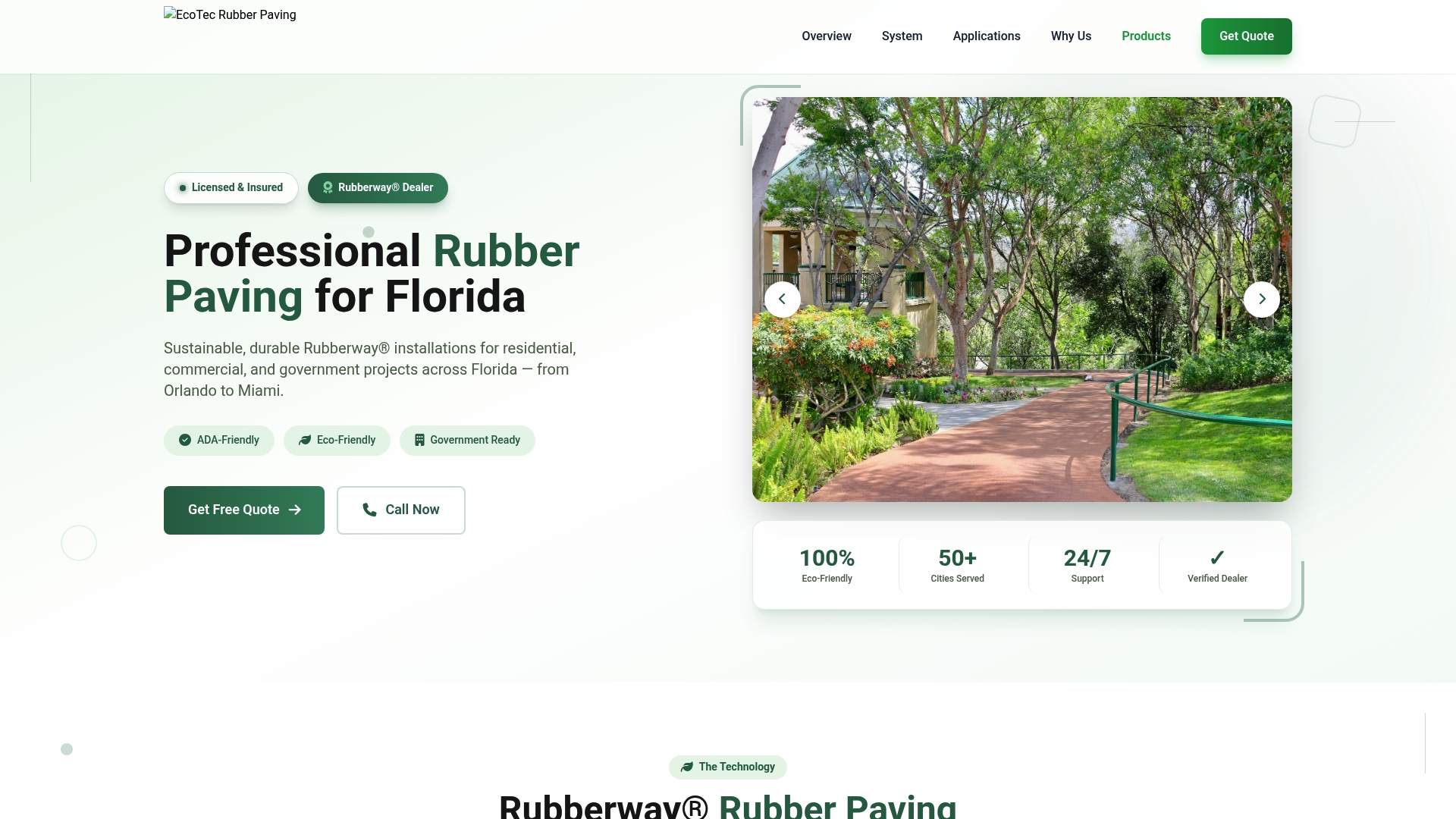
Rubberway® installations handle Florida's standing water and heat stress without the brittleness that shortens conventional asphalt life. Ecotecrubber is licensed and insured, with projects coordinated specifically around rubber paving solutions rather than a general contracting approach that spreads attention thin. For business owners ready to address paving maintenance costs before they compound, Ecotecrubber's Florida installations offer a durable, professionally managed alternative worth evaluating.
FAQ
What causes most commercial pavement failures in Florida?
Poor drainage design and inadequate subgrade compaction cause the majority of premature pavement failures in Florida. Water penetration into a weak base accelerates structural damage faster than any other factor.
How long should a commercial pavement last in Florida?
A properly installed, code-compliant commercial pavement in Florida lasts 15–25 years. Pavements installed with shortcuts typically fail within 5–8 years.
What permits are required for commercial paving in Florida?
Most Florida commercial paving projects require building permits, zoning approvals, and stamped engineering plans from a licensed professional engineer. Requirements vary by county, so confirm with your local municipality before starting.
When is the best time to pave in Florida?
The dry season from october through april offers the most reliable conditions for asphalt curing. Scheduling outside the rainy season produces measurably better surface quality and pavement durability.
How do I avoid paving contractor scams in Florida?
Verify the contractor's license with the Florida Department of Business and Professional Regulation, confirm active insurance, and never pay a large deposit to a contractor without a permanent local address and a written, detailed contract.