
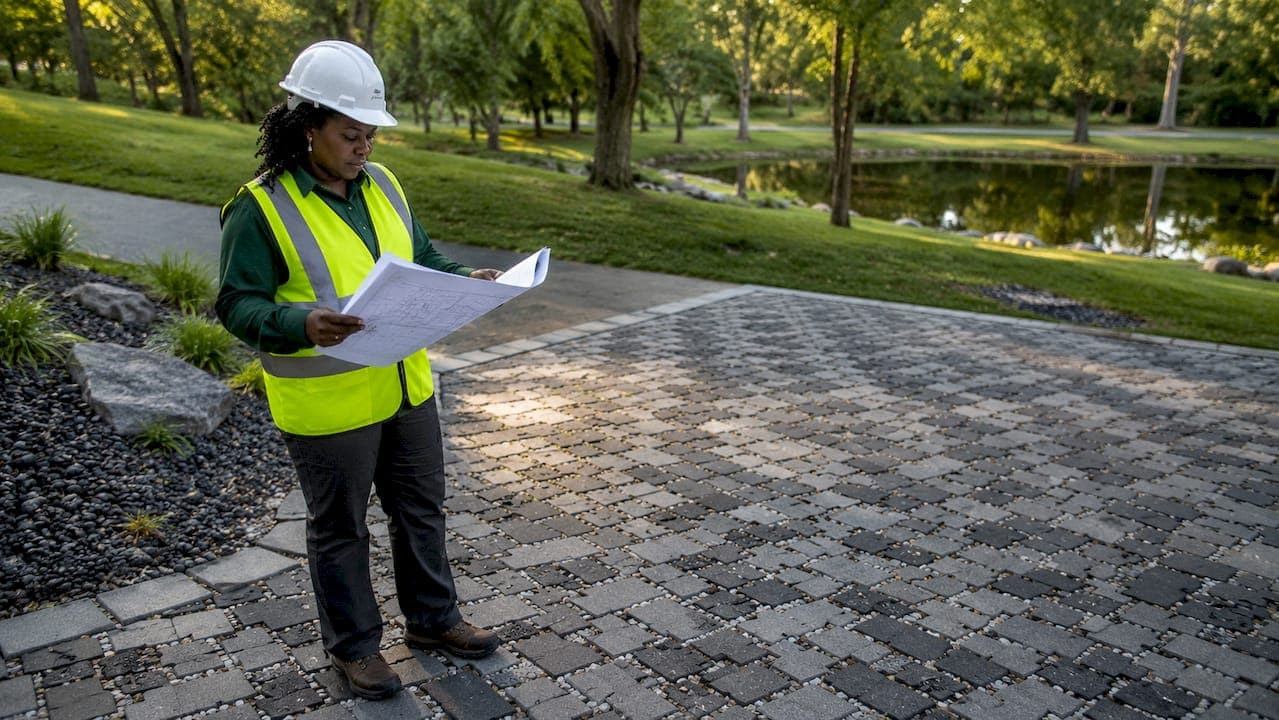
Sustainable paving installation best practices are defined as coordinated, system-based approaches that combine permeable base preparation, eco-conscious materials, and structured maintenance to create durable, environmentally responsible pavements. The industry term for this approach is "permeable pavement systems," and it covers far more than surface materials. A complete installation integrates base layers, geotextile barriers, drainage paths, joint specifications, and long-term upkeep. Standards from the EPA, ASTM, and frameworks like Sustainable Drainage Systems (SuDS) all shape how these systems are designed and evaluated in 2026.
1. Why base layer design is the foundation of sustainable paving installation best practices
The base layer is the single most critical component in any permeable pavement system. Get it wrong, and the entire installation fails, regardless of how good the surface material is.
Base depths range from 6 to 18 inches depending on soil composition and water table conditions. That range matters because a shallow base in clay-heavy soil will saturate quickly and lose permeability within a season.
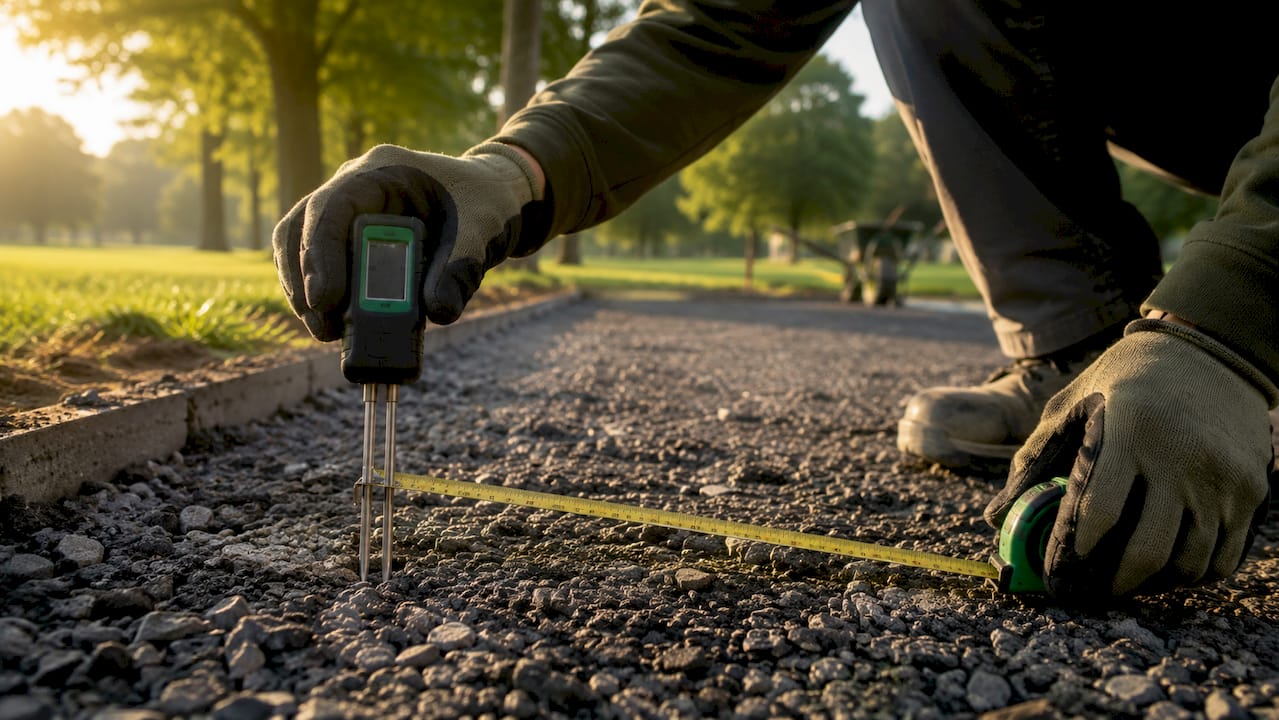
Open-graded crushed recycled concrete or angular gravel serves as the preferred base material. It reduces the need for quarried aggregate and creates the void space water needs to infiltrate downward. Compacted fine-graded stone eliminates those voids and defeats the purpose entirely.
Geotextile fabric barriers let water pass while blocking fine particles from migrating upward into the base. Without this layer, silt and clay gradually fill the void spaces and shut down drainage capacity over time.
- Use open-graded, not dense-graded, aggregate for the base
- Install geotextile fabric at the base-subgrade interface
- Match base depth to local soil permeability and water table data
- Avoid compacting the base with heavy equipment after placement
Pro Tip: Use sacrificial timber platforms or temporary road plates when construction vehicles must cross an open-graded base. Direct wheel loads compact the aggregate and destroy infiltration capacity before the project is even finished.
2. Selecting green paving materials and bedding aggregates
Material selection defines both the environmental footprint and the long-term performance of a paved surface. The right choice depends on traffic load, climate, and the infiltration rate the site requires.
The main sustainable paving options include pervious concrete, porous asphalt, permeable interlocking concrete pavers (PICP), natural stone, and rubber composites made from recycled tires. Each has distinct trade-offs.
| Material | Permeability | Recycled Content | Best Application |
|---|---|---|---|
| Pervious concrete | High | Low to moderate | Parking lots, low-traffic drives |
| Porous asphalt | High | Moderate | Roads, commercial lots |
| Permeable interlocking pavers | Moderate to high | Moderate | Driveways, plazas, walkways |
| Rubber composite (Rubberway®) | Good | High | Walkways, playgrounds, pool decks |
| Natural stone | Low to moderate | None | Decorative, low-traffic areas |
Recycled brick-concrete aggregates in pervious concrete improve filtration of fine particles and remove heavy metals from stormwater runoff. That makes recycled aggregate a functional upgrade, not just an environmental gesture.
Bedding aggregate selection is where many installations go wrong. Standard paving sand clogs infiltration paths; use ASTM-graded angular chips instead. Angular chips interlock loosely and hold open the channels water needs to pass through.
- Pervious concrete and porous asphalt suit high-traffic commercial applications
- Rubber composites work well in Florida's heat and humidity due to crack resistance
- Natural stone requires careful joint design to maintain any permeability
- Freeze-thaw climates demand materials rated for thermal cycling
Pro Tip: Porcelain pavers require no plate compaction after laying. Use 4 mm plastic spacers to maintain consistent joint width. Closing the joints too tight eliminates the infiltration gap entirely.
3. Installation techniques that preserve permeability and structural integrity
A correct installation sequence protects the system's drainage function from the first day. Skipping steps or reordering layers is the most common cause of early failure.
Prioritizing base and drainage requirements before choosing a surface tile is the defining principle of eco-friendly paving techniques. Contractors who start with the surface material and work backward consistently produce systems that fail within a few years.
The correct installation sequence:
- Excavate to the required depth based on soil permeability and design load
- Lay geotextile fabric across the subgrade, overlapping edges by at least 12 inches
- Place and lightly compact open-graded base aggregate in lifts
- Add a bedding layer of ASTM-graded angular chips, 1.5 to 2 inches deep
- Set pavers or pour permeable surface material
- Fill joints with clean angular aggregate, not sand or fine stone dust
- Install edge restraints to prevent lateral movement
- Verify drainage with a water infiltration test
Permeable interlocking pavers should achieve a minimum infiltration rate of around 100 inches per hour to meet compliance standards. Testing immediately after installation confirms the system works before the site is handed over.
Slope design also matters. A 2% surface slope directs water toward drainage channels without causing pooling. Flatter slopes trap water; steeper slopes push it off the surface before it can infiltrate.
Common installation mistakes that compromise permeability:
- Placing plastic sheeting under the base layer, which blocks all downward infiltration
- Using fine joint sand that washes into and clogs the base
- Skipping edge restraints, which allows pavers to shift and open gaps unevenly
- Driving equipment directly on the open-graded base without protection
Permeable pavement must connect to the site's broader Sustainable Drainage System, including swales and overflow routes. Without an overflow path, heavy rainfall overwhelms the base storage capacity and causes surface flooding.
4. Maintenance practices that sustain eco-friendly pavement performance
Permeable pavement systems are not self-cleaning. Sediment, organic debris, and fine particles accumulate in joints and base voids over time, and without intervention, the system loses its core function.
Without routine maintenance, permeability can be lost entirely within 3 to 5 years due to clogging. That timeline is shorter in high-traffic areas or sites near bare soil and vegetation.
Vacuum sweeping biannually prevents significant permeability loss from sediment buildup. Suction excavation goes deeper and removes compacted debris from joint and base layers that surface sweeping misses.
Key maintenance tasks for permeable and eco-friendly pavements:
- Vacuum sweep or suction excavate at least twice per year
- Inspect joint aggregate levels after each winter or storm season and replenish as needed
- Monitor for ponding areas, which signal localized clogging
- Pressure wash clogged sections and refill joints with fresh angular aggregate
- Keep surrounding soil and mulch beds from washing onto the paved surface
Neglecting preventive maintenance can reduce a pavement's expected service life by up to 50%. That applies to both commercial and residential surfaces. A structured maintenance schedule costs far less than early replacement.
Pro Tip: Train whoever manages the site on what vacuum sweeping equipment is appropriate. Standard street sweepers compact debris into joints rather than extracting it. Regenerative air sweepers or wet-dry vacuum units are the correct tools for permeable surfaces.
5. How installation varies by residential, commercial, and municipal settings
The core principles of sustainable paving installation stay consistent across applications. The load demands, regulatory requirements, and maintenance capacity differ significantly between a homeowner's driveway, a commercial parking lot, and a municipal plaza.
Residential applications prioritize aesthetics alongside moderate load performance. Homeowners typically manage their own maintenance, so material choices should favor low-maintenance options like rubber composites or permeable interlocking pavers. Drainage design still requires a properly engineered base, even for a small driveway.
Commercial paving demands a deeper base and a more formal maintenance plan. Commercial paving surface best practices require structured preventive maintenance rather than reactive repairs. High-traffic zones like loading areas and parking lots need base depths at the upper end of the 6 to 18 inch range and materials rated for heavy vehicle loads.
Municipal projects carry the most complexity. Planners must align installations with local stormwater regulations, ADA compliance requirements, and community maintenance budgets. Rubber paving works well for public walkways and playground surfaces because it is ADA-compliant and absorbs impact. Permeable concrete suits municipal parking lots and streetscapes where stormwater management is a regulatory requirement.
- Residential: focus on aesthetics, moderate base depth, low-maintenance surface materials
- Commercial: prioritize load-rated base design and scheduled maintenance contracts
- Municipal: integrate with SuDS strategies, meet ADA standards, and plan for staff training
Pro Tip: Municipal planners should write maintenance schedules and staff training requirements directly into project specifications. A system designed for 20-year performance will fail in 5 years if the maintenance crew treats it like conventional asphalt.
Key takeaways
Sustainable paving installation succeeds only when base preparation, material selection, installation sequence, and maintenance are treated as one connected system, not separate decisions.
| Point | Details |
|---|---|
| Base layer is non-negotiable | Design base depth and aggregate type before choosing any surface material. |
| Use ASTM-graded angular chips | Standard paving sand clogs infiltration paths and destroys permeability quickly. |
| Test infiltration after installation | Verify a minimum rate of around 100 inches per hour before project handover. |
| Maintain at least twice per year | Vacuum sweeping biannually prevents permeability loss within 3 to 5 years. |
| Match installation to application | Residential, commercial, and municipal sites each require different base depths and maintenance plans. |
Why I think most sustainable paving projects fail before they start
The most common mistake I see is treating sustainable paving as a product decision rather than a design decision. A client picks a permeable paver they like the look of, the contractor quotes the job based on that surface, and nobody talks about the base until excavation starts. By then, the budget is set and the base gets cut short.
The surface material is the least important variable in a permeable system. I have seen installations with premium interlocking pavers fail within two years because the base was dense-graded stone and the joints were filled with fine sand. The pavers looked perfect. The drainage was zero.
The other failure I see consistently is the handover. A contractor installs a technically correct system, hands over a maintenance guide nobody reads, and the site team treats it like conventional pavement. Two years later, the client calls to say the surface is flooding. The fix is a vacuum excavation and joint repack. The cost is a fraction of replacement. But it should never have gotten there.
The clients who get the best results are the ones who ask about the base before they ask about the surface. They want to know the aggregate spec, the geotextile type, and the maintenance interval. That mindset produces pavements that actually perform for 20 years.
— Roger
Ecotecrubber's rubber paving solutions for Florida's climate
Florida's heat, humidity, and intense rainfall create specific demands that standard paving materials handle poorly. Ecotecrubber addresses those demands directly through the Rubberway® rubber paving system, which uses recycled rubber to deliver crack resistance, excellent drainage, and ADA-compliant surfaces built for Florida conditions.
Ecotecrubber's installations are licensed, insured, and focused exclusively on rubber paving, which means every project benefits from specialized expertise rather than a generalist contractor spreading attention across multiple product types. Homeowners, commercial property managers, and municipal planners across Florida can request a quote or consultation to see how Rubberway® fits their specific site requirements. Reduced maintenance demands and a lower environmental footprint come standard with every installation.
FAQ
What is sustainable paving?
Sustainable paving is a system-based approach that uses permeable, recycled, or low-impact materials combined with engineered base layers and drainage paths to reduce stormwater runoff and environmental impact.
How deep should the base be for permeable pavement?
Base depths for permeable pavement range from 6 to 18 inches depending on soil composition and local water table conditions.
What bedding aggregate should I use for eco-friendly paving?
Use ASTM-graded angular chips, not standard paving sand. Sand clogs infiltration paths and causes permeability loss within the first few years of installation.
How often does permeable pavement need maintenance?
Vacuum sweeping or suction excavation at least twice per year prevents clogging. Without this routine, permeability can be lost entirely within 3 to 5 years.
Is rubber paving a sustainable option?
Rubber paving made from recycled tires, such as the Rubberway® system, qualifies as a recyclable paving solution. It reduces landfill waste, resists cracking in heat, and meets ADA compliance standards for public and commercial surfaces.