
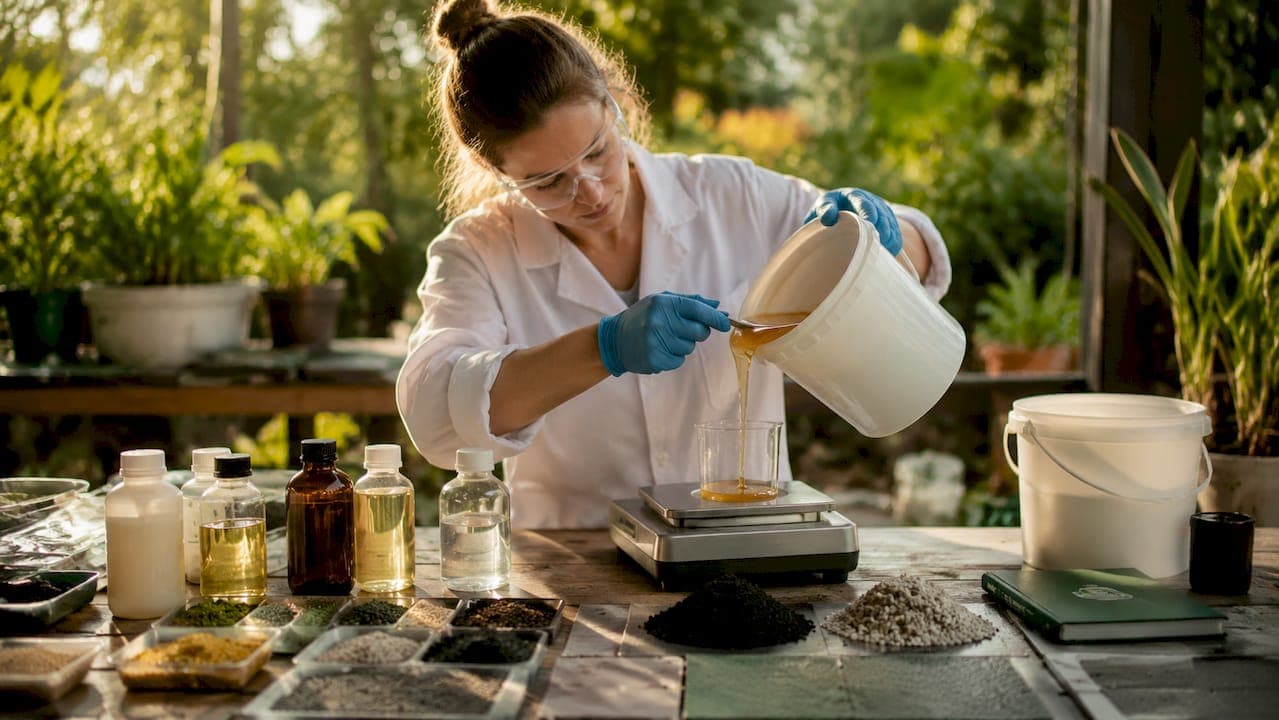
Polyurethane binder in paving is defined as a two-component polymer adhesive that bonds mineral aggregates or rubber granules into a durable, flexible, and permeable surface without cement or water. The industry term for this material is polyurethane resin binder, and it sits at the core of modern resin-bound and rubber paving systems. Typical mix ratios use 80kg aggregate to 6.25–7.5kg resin, applied at 15–18mm depth. These ratios are not arbitrary. They reflect decades of structural testing that balances permeability, load-bearing capacity, and long-term surface stability. For professionals specifying sustainable paving in 2026, understanding this material is the difference between a surface that lasts 15–20 years and one that fails in the first Florida summer.
What is polyurethane binder in paving and why does it matter?
Polyurethane binder is a specialized two-component adhesive that replaces traditional cement or bitumen in modern paving systems. It consists of two chemical components, a polyol and an isocyanate, that react when combined to form a strong, elastic polymer matrix. That matrix locks aggregate or rubber granules in place while remaining flexible enough to absorb movement, thermal expansion, and impact.
The material matters because traditional binders crack. Asphalt becomes brittle under UV exposure and freeze-thaw cycling. Cement grout is rigid and impermeable. Polyurethane binder solves both problems at once. It flexes rather than fractures, and when used in a resin-bound system, it creates a surface that drains freely through its structure.
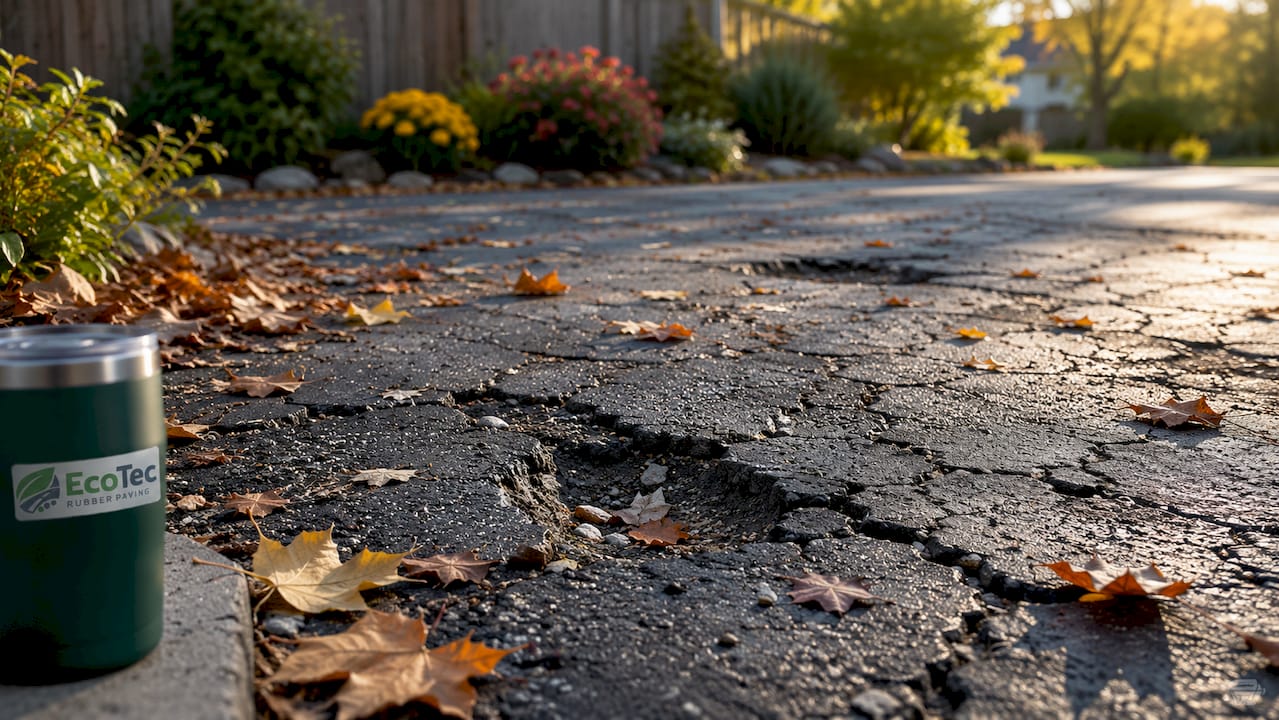
Ecotecrubber uses polyurethane binder technology in its Rubberway® system, which is designed specifically for Florida's heat, humidity, and heavy rainfall. The binder holds recycled rubber granules together while maintaining the drainage performance that prevents standing water on driveways, pool decks, and municipal pathways.
What are the main benefits of polyurethane binders in paving?
Polyurethane binders outperform traditional binders across three categories: mechanical strength, environmental performance, and service life.
Mechanical strength
Structural testing shows compressive strengths of 41.22 MPa and flexural strengths of 25.32 MPa for polyurethane resin-bound pavements. Bond strength pull-off values reach 4.63 MPa, and freeze-thaw mass loss measures just 0.77 kg/m². These numbers place polyurethane binder pavements firmly in the range suitable for heavy pedestrian use, light vehicle traffic, and exposed outdoor environments.
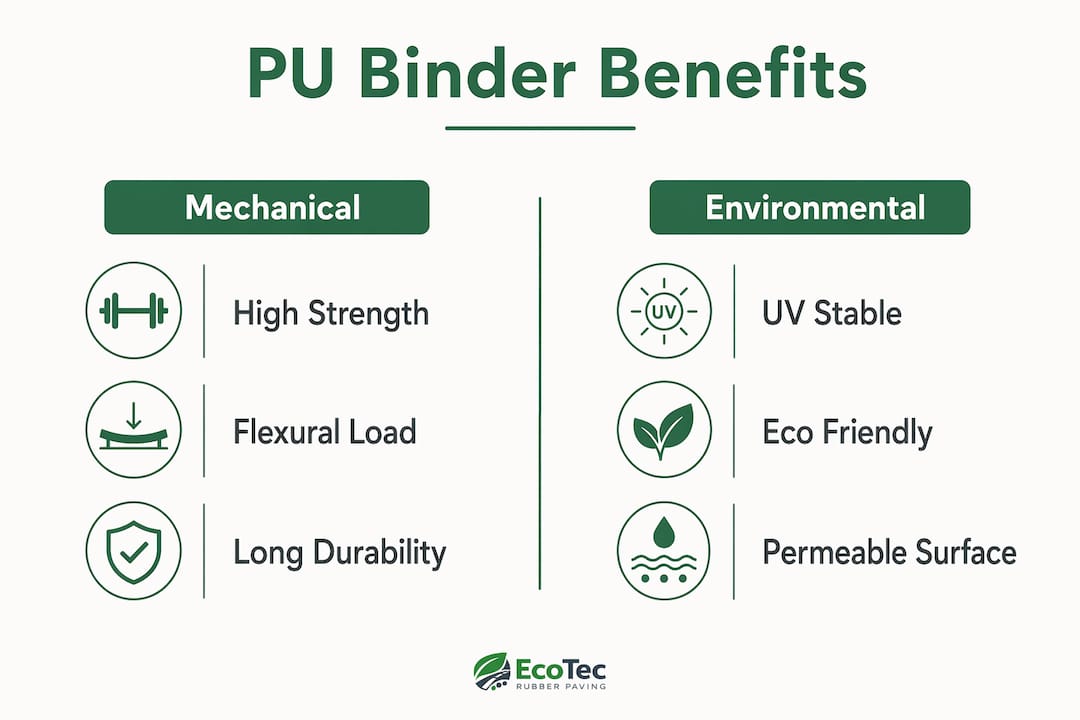
The fatigue life of polyurethane binder systems exceeds one million load cycles. That figure means the surface resists cracking under repeated stress far longer than conventional asphalt or cement-bound alternatives.
Environmental performance
- Water-based polyurethane binders reduce VOC emissions by over 80% compared to solvent-based systems, meeting 2025 industry sustainability guidance.
- Permeable resin-bound surfaces comply with Sustainable Drainage Systems (SuDS) regulations, reducing runoff and flood risk.
- Recycled aggregate and rubber granule compatibility means polyurethane binder systems actively support circular construction practices.
- No water is needed in the mix, which reduces site waste and simplifies installation logistics.
Service life
A properly prepared base extends surface life to 15–20 years. That longevity reduces the frequency of replacement, which cuts both material waste and labor costs over a building's lifecycle. For municipalities and commercial property owners, that lifespan translates directly into lower total cost of ownership.
Pro Tip: Specify a minimum base depth of 100mm compacted MOT Type 1 sub-base for driveways and pedestrian paths. Skimping on the base is the single most common reason polyurethane binder surfaces fail prematurely.
How do 1K and 2K polyurethane binder systems differ?
Polyurethane binder chemistry centers on the reaction between a polyol and an isocyanate. When these two components meet, they cross-link into a polymer chain that is both strong and elastic. The speed and method of that reaction define whether a system is one-component (1K) or two-component (2K).
One-component vs. two-component systems
-
1K moisture-cured systems cure by reacting with ambient humidity in the air. They are simpler to handle because there is no mixing ratio to manage on site. Cure times are slower, which gives installers a longer working window. The trade-off is sensitivity to low humidity conditions, which can stall the cure entirely.
-
2K fast-cure systems combine the polyol and isocyanate immediately before application. The reaction starts on contact and proceeds rapidly regardless of ambient humidity. Compaction timing becomes critical because the mix stiffens quickly. Installers must work in smaller batches and move efficiently.
-
Curing environment matters for both systems. High temperatures accelerate cure in 2K systems and can reduce working time to minutes. Cold temperatures slow 1K systems significantly. Knowing the site's temperature range before specifying a system prevents costly timing failures.
-
Compaction timing is the practical consequence of cure speed. Curing behavior directly impacts compaction timing and mixture performance. Miss the compaction window on a 2K system and the surface sets with voids that reduce strength and drainage.
-
System selection depends on crew experience, batch size, and ambient conditions. Larger crews with tight schedules favor 2K systems. Smaller teams or projects in variable weather favor 1K for its forgiving working window.
Selecting between 1K and 2K systems depends heavily on construction timing needs and environmental conditions. That decision shapes the entire installation process, not just the chemistry.
Pro Tip: Always conduct a small test batch at the start of each installation day. Temperature and humidity shift between morning and afternoon, and a test batch reveals actual working time before you commit a full mix.
What technical details should you know before installing polyurethane binder paving?
Resin-bound vs. resin-bonded: a critical distinction
Resin-bound paving is permeable and SuDS-compliant, while resin-bonded paving is impermeable and fails drainage regulations in many jurisdictions. Resin-bound systems trowel aggregate fully coated in resin at 15–18mm depth, creating a porous matrix. Resin-bonded systems scatter loose aggregate onto a resin-coated surface, producing a thin, decorative, and impermeable layer.
Confusing the two causes compliance failures. A resin-bonded driveway installed where SuDS compliance is required will fail planning approval and may require complete removal. Specifiers must confirm which system applies before ordering materials.
UV stability and resin selection
Only aliphatic polyurethane resins are UV-stable for outdoor paving. Aromatic resins degrade and yellow within 12–18 months, affecting both aesthetics and surface integrity. Aliphatic resins cost roughly double, but they maintain color and structural performance for the full service life of the surface.
For Florida installations, UV stability is non-negotiable. The state's solar intensity accelerates resin degradation faster than in northern climates. Ecotecrubber specifies UV-stable aliphatic resins in all Rubberway® installations for this reason.
Mix ratios and depth standards
| Application type | Typical depth | Resin-to-aggregate ratio |
|---|---|---|
| Pedestrian driveway | 15–18mm | 6.25–7.5kg resin per 80kg aggregate |
| Light vehicle traffic | 18–20mm | Higher resin content for added strength |
| Playground safety surface | 40–50mm | Rubber granule mix, higher binder ratio |
| Athletic track overlay | 10–15mm | Thin-layer rubber granule system |
Depth and ratio standards vary by load class. Under-specifying depth for vehicle traffic produces surfaces that rut or delaminate under repeated loading.
Surface preparation and catalyst use
Surface prep directly determines whether the binder adheres properly. The base must be dry, structurally sound, and free of contamination. Any moisture in the substrate interferes with the binder's cure, particularly in 1K systems. Catalysts accelerate cure in cold conditions, but overuse causes brittleness. Follow the manufacturer's specified catalyst dosage without adjustment.
How is polyurethane binder used in rubber surfaces and driveways?
Polyurethane binder's versatility makes it the standard adhesive across multiple paving categories. Its flexibility reduces joint stresses in rubber surfaces, which improves safety and extends surface life in high-impact environments.
- Wet-pour rubber playground surfaces use polyurethane binder to bond recycled rubber granules into a continuous, impact-absorbing layer. The binder flexes with the rubber under foot traffic and falls, reducing injury risk and maintaining surface integrity over years of use.
- Athletic tracks and sports courts rely on polyurethane binder to create surfaces that absorb shock, resist abrasion, and maintain consistent traction. The binder's chemical stability and elasticity produce durable athletic surfaces that meet performance standards for competitive use.
- Resin-bound aggregate driveways use polyurethane binder to create permeable surfaces that comply with SuDS drainage rules. Homeowners gain a decorative, low-maintenance surface that handles Florida's heavy rainfall without pooling.
- Municipal pathways and pool decks benefit from polyurethane binder's ADA-compliant surface texture, slip resistance, and crack resistance under thermal cycling.
- Rapid-return applications take advantage of the fact that some polyurethane formulations open to light traffic in 5–15 minutes. Road repair crews use this property to minimize lane closures and reduce project downtime significantly.
The sustainability profile of polyurethane binder paving strengthens its case for public and commercial projects. Waterless mixes reduce site waste. Recycled rubber and aggregate compatibility supports circular material use. A 15–20 year service life means fewer replacement cycles and less material sent to landfill. Polyurethane binders also enhance rubber product flexibility, adhesion, and durability beyond paving, with applications extending into automotive and aerospace manufacturing. That cross-industry demand drives continued formulation improvement, which benefits paving applications directly.
For stormwater management compliance, permeable polyurethane binder systems are among the most practical tools available to engineers working within SuDS and local drainage regulations.
Key Takeaways
Polyurethane binder in paving is the most technically capable and environmentally compliant adhesive system available for resin-bound and rubber paving applications in 2026.
| Point | Details |
|---|---|
| Core definition | Polyurethane binder bonds aggregate or rubber granules without cement or water, forming a flexible, permeable matrix. |
| Performance strength | Compressive strength reaches 41.22 MPa with fatigue life exceeding one million cycles, suitable for heavy use. |
| UV resin selection | Specify aliphatic polyurethane resin for all outdoor applications to prevent yellowing and degradation within 12–18 months. |
| SuDS compliance | Resin-bound systems are permeable and SuDS-compliant; resin-bonded systems are not. Confirm the correct system before specifying. |
| Curing system choice | Select 1K for flexible working time in variable conditions; select 2K for fast-cure projects with experienced crews. |
Why polyurethane binder changed how I think about paving materials
I spent years watching contractors default to asphalt overlays for every repair job, not because asphalt was the best option, but because it was familiar. The first time I saw a polyurethane resin-bound surface installed on a Florida pool deck, I understood immediately why the industry was shifting. The surface drained completely during a heavy afternoon storm. The asphalt next to it pooled water for an hour.
What surprises most people is how much the chemistry matters in practice. The difference between an aliphatic and an aromatic resin is invisible at installation. Twelve months later, one surface looks the same as the day it was laid, and the other has yellowed to the color of old newspaper. That gap is why specification decisions made in an office determine whether a project succeeds or fails in the field.
The installation pitfall I see most often is rushing the base preparation. Contractors who have worked with asphalt their whole careers underestimate how sensitive polyurethane binder is to substrate moisture. A base that looks dry can hold enough residual moisture to compromise a 1K cure. The fix is simple: test the substrate with a moisture meter before mixing anything.
The future of this material is water-based formulations. The shift from solvent-based to water-based polyurethane binders is already underway, driven by VOC regulations and sustainability mandates. Installers who learn water-based systems now will be ahead of the curve when solvent-based products face tighter restrictions. The performance gap between the two is closing fast, and the environmental argument for water-based systems is only getting stronger.
— Roger
Ecotecrubber's approach to polyurethane binder paving in Florida
Ecotecrubber builds every Rubberway® installation around UV-stable aliphatic polyurethane binder technology, chosen specifically for Florida's climate demands. The system uses recycled rubber granules bonded with polyurethane resin to produce surfaces that resist cracking, drain freely, and meet ADA accessibility standards.
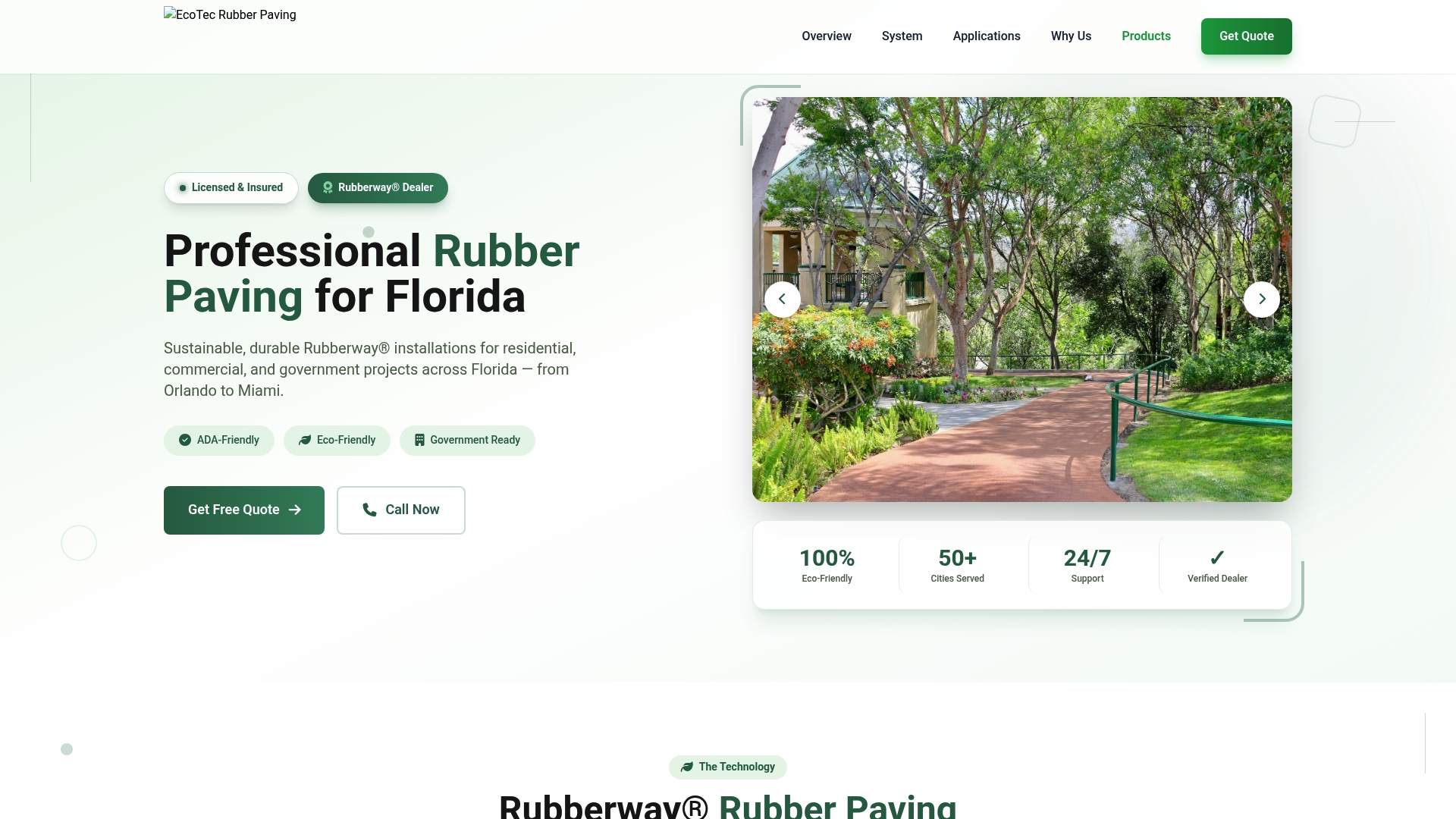
Whether you are specifying a pool deck, a municipal pathway, or a playground safety surface, Ecotecrubber's licensed and insured team handles the full installation process. The Rubberway® product range covers residential, commercial, and municipal applications, with professional consultation available to match the right system to your load class, drainage requirements, and budget. Visit Ecotecrubber to request a project assessment from a team that works exclusively in rubber paving solutions.
FAQ
What is polyurethane binder made of?
Polyurethane binder consists of two components: a polyol and an isocyanate. These react when combined to form a strong, elastic polymer that bonds aggregate or rubber granules into a durable paving surface.
How long does polyurethane binder paving last?
With a properly prepared base, polyurethane binder paving lasts 15–20 years. Longevity depends on base quality, resin type, and correct mix ratios at installation.
What is the difference between resin-bound and resin-bonded paving?
Resin-bound paving is permeable and SuDS-compliant, with aggregate fully coated in resin at 15–18mm depth. Resin-bonded paving is impermeable and does not meet drainage regulations in most jurisdictions.
Can polyurethane binder surfaces open to traffic quickly?
Some polyurethane formulations allow light traffic in as little as 5–15 minutes after application. This rapid cure makes them practical for road repairs and projects where downtime must be minimized.
Why does resin type matter for outdoor polyurethane binder paving?
Aliphatic polyurethane resins resist UV degradation and maintain color and strength outdoors. Aromatic resins yellow and degrade within 12–18 months, making them unsuitable for any exposed paving application.